

Oil Prices Surge and Global Markets Decline as U.S. Prepares Iran Port Blockade
The United States military has declared its intention to implement a naval blockade of Iranian ports, a move that comes directly after ceasefire negotiations concluded without any agreement. This significant geopolitical development has triggered immediate and substantial reactions across global financial markets and energy sectors.
Immediate Impact on Energy Markets
Following the announcement, global oil prices experienced a sharp and rapid increase. The uncertainty surrounding future oil supplies from Iran, a major producer, has injected volatility into the market. Analysts are predicting that prices could climb even higher if the blockade is enacted and persists, potentially affecting gasoline and energy costs worldwide. This situation underscores the fragile balance of global energy security and how geopolitical tensions can swiftly translate into economic pressure for consumers and industries alike.
Financial Markets React with Declines
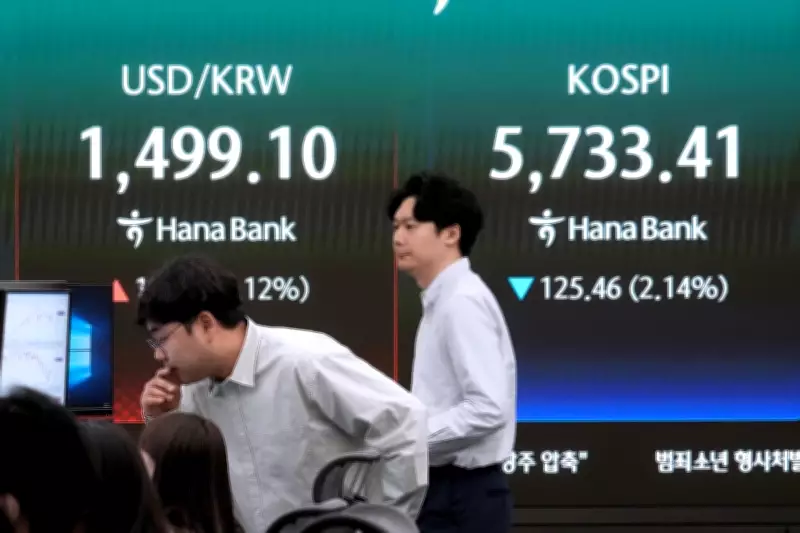
Concurrently, stock markets in Asia and Europe opened the week with notable declines. The news has fostered a climate of risk aversion among investors, concerned about the broader economic implications of escalated tensions. Currency markets have also shown increased volatility, with traders closely monitoring the U.S. dollar's movements as a traditional safe-haven asset during times of international uncertainty.

Broader Economic and Political Context
This development occurs against a backdrop of other global and domestic news. Domestically, political events such as byelections in Canada and leadership changes in Quebec are unfolding. In the business sector, issues ranging from tax deadlines to lumber trade disputes are being reported. However, the U.S. action toward Iran currently stands as a primary driver of international economic sentiment, demonstrating how foreign policy decisions can have immediate and far-reaching consequences for the global economy.
Market observers and government officials worldwide are now tasked with navigating this new period of instability. The coming days will be critical in determining whether this blockade proceeds and, if so, how severely it will disrupt global oil supplies and financial stability. The situation remains fluid, with all eyes on the Persian Gulf and the responses from other global powers.






