

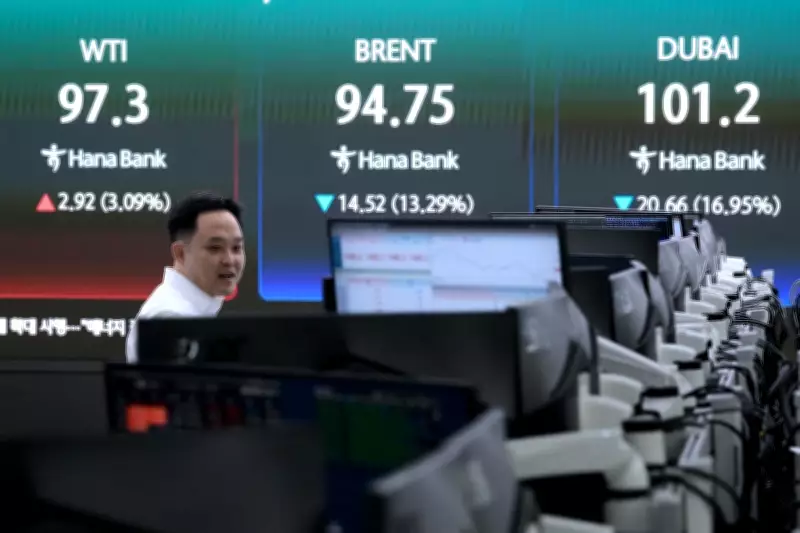
Oil Prices Surge and World Shares Retreat Amid Fragile Iran Ceasefire Concerns
Global financial markets experienced significant turbulence as oil prices rose sharply and world shares retreated, driven by mounting uncertainty over a fragile ceasefire in Iran. This development underscores the delicate balance between geopolitical stability and economic performance, with investors closely monitoring the situation for potential impacts on energy supplies and international trade flows.
Market Reactions to Geopolitical Tensions
The recent escalation in oil prices reflects heightened anxiety among traders and analysts regarding the sustainability of the Iran ceasefire agreement. As geopolitical risks increase, the cost of crude oil has climbed, putting pressure on various sectors dependent on stable energy inputs. Simultaneously, global equity markets have shown signs of retreat, with shares declining across multiple regions as risk aversion takes hold among institutional and retail investors alike.
This dual movement in oil and shares highlights the interconnected nature of modern financial systems, where political events in one part of the world can swiftly influence economic outcomes globally. The fragility of the ceasefire has raised concerns about potential disruptions to oil production and transportation routes, which could exacerbate inflationary pressures and slow economic growth in numerous countries.

Broader Economic Implications
Beyond immediate market fluctuations, the situation poses broader challenges for economic policy and corporate strategy. Central banks and governments may face difficult decisions in balancing inflation control with growth support, while businesses must navigate volatile input costs and shifting consumer demand patterns. The uncertainty also affects currency markets, as seen in trading rooms like the Hana Bank headquarters in Seoul, where professionals track real-time data to adjust their positions.
Analysts warn that prolonged instability could lead to more pronounced economic headwinds, affecting everything from manufacturing output to consumer spending. The retreat in world shares suggests that investors are pricing in higher risk premiums, which could constrain capital investment and innovation if conditions deteriorate further.
Looking Ahead: Monitoring Developments
As stakeholders await clearer signals on the Iran ceasefire and its enforcement, market participants are advised to maintain vigilance and adapt their strategies accordingly. The coming weeks will be critical in determining whether the ceasefire holds or if additional measures are needed to stabilize the region and, by extension, global markets.
In summary, the rise in oil prices and decline in world shares serve as a stark reminder of how geopolitical fragility can quickly translate into economic volatility, emphasizing the need for robust risk management and proactive policy responses in an increasingly interconnected world.






