

Oil Prices Decline Sharply as Global Equity Markets Rally on Iran Peace Prospects
In a significant shift for global financial markets, oil prices experienced a notable drop while world shares surged higher on Wednesday, fueled by renewed optimism that the protracted conflict involving Iran may be nearing a peaceful conclusion. This development comes amid intensified diplomatic efforts and signals from key international stakeholders, prompting investors to reassess risk and adjust their portfolios accordingly.
Market Reactions Reflect Geopolitical Optimism
The price of benchmark crude oil fell by over 3% in early trading sessions, with Brent crude dipping below $85 per barrel and West Texas Intermediate sliding under $80. This decline marks a reversal from recent weeks, where supply concerns had kept energy markets volatile. Simultaneously, major stock indices across Asia, Europe, and North America posted gains, with the MSCI World Index climbing by approximately 1.5% as investor sentiment improved dramatically.
Analysts attribute this market movement to growing confidence that diplomatic channels are actively working toward de-escalation in the Middle East. Reports from multilateral talks suggest that mediators have made progress in bridging gaps between involved parties, though details remain confidential. The potential for a ceasefire or formal peace agreement has alleviated fears of prolonged disruption to oil supplies from the region, which accounts for a substantial portion of global production.

Broader Economic Implications and Sectoral Impacts
The ripple effects of these developments extend beyond immediate price adjustments. Lower oil prices typically reduce input costs for industries such as transportation, manufacturing, and agriculture, potentially easing inflationary pressures that have concerned central banks worldwide. This could influence monetary policy decisions in the coming months, particularly regarding interest rate trajectories.
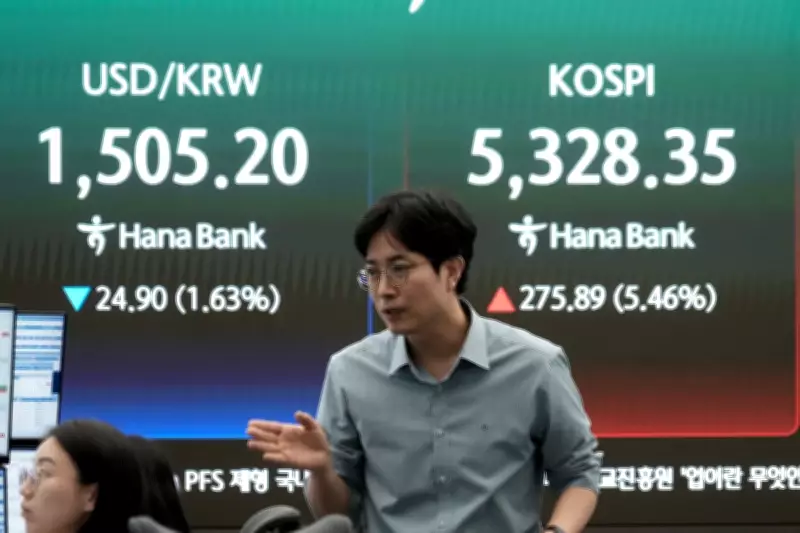
Equity markets responded enthusiastically, with sectors sensitive to geopolitical stability outperforming. Technology shares led gains in many regions, while energy stocks faced headwinds due to the drop in crude prices. Currency markets also saw activity, with the U.S. dollar weakening slightly against a basket of major currencies as risk appetite increased among traders.
Historical Context and Future Outlook
This episode underscores the intricate link between geopolitical events and financial markets. Previous conflicts in oil-producing regions have often triggered similar patterns, though the speed and scale of this reaction highlight the market's sensitivity to current diplomatic cues. Experts caution that while optimism is warranted, the situation remains fluid, and any setbacks in negotiations could quickly reverse gains.
Looking ahead, market participants will closely monitor official statements from governments and international bodies for confirmation of progress. The sustainability of this rally may depend on concrete steps toward a lasting resolution, such as signed agreements or verifiable reductions in hostilities. In the meantime, investors are advised to maintain diversified portfolios to navigate potential volatility.
In summary, the prospect of an end to the Iran conflict has injected a dose of positivity into global markets, driving oil prices down and lifting shares. This development offers a glimpse of how peaceful resolutions can foster economic stability and growth, though vigilance is essential as diplomatic efforts continue to unfold.






