

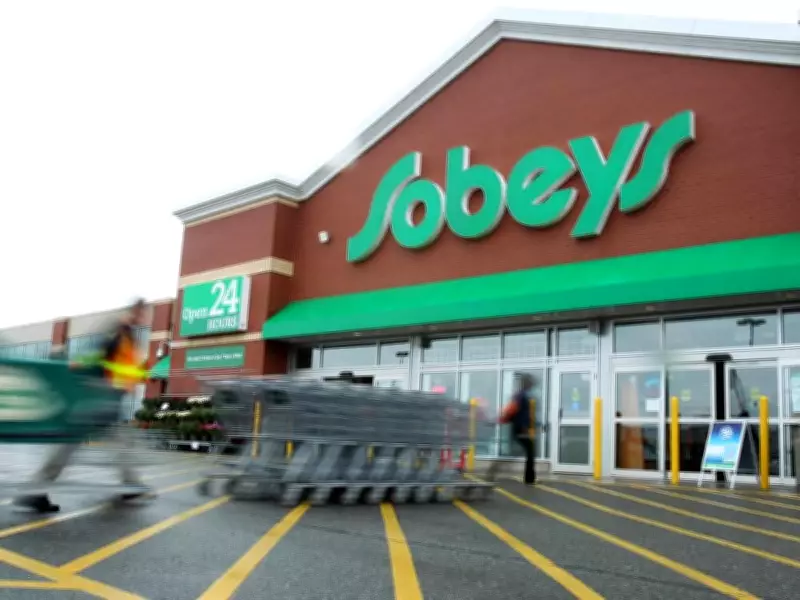
Ocado's North American Expansion Faces Another Blow with Canadian Partner's Facility Closure
The United Kingdom's Ocado Group has encountered another significant setback in its North American operations as Empire Co. Ltd., the parent company of Canada's Sobeys grocery chain, announced the closure of a distribution center in Calgary that utilizes Ocado's automated technology platform. This development represents a notable challenge for the British retail technology firm as it seeks to expand its footprint across the continent.
Empire Co. Announces Strategic Shift in Online Grocery Operations
Empire Co. Ltd. revealed that it would be shutting down its Calgary distribution facility as part of a broader restructuring of its online delivery business. The company cited that the online grocery market in Alberta had not expanded to the anticipated size or growth rate originally projected. This strategic decision follows a comprehensive evaluation of market conditions and operational performance in the region.
The Calgary closure comes just two months after Kroger, the largest supermarket chain in the United States, announced it would be closing three underperforming warehouses that operated on Ocado's technology platform. Although Ocado received substantial compensation of US$350 million from Kroger for that earlier closure, the announcement triggered a significant decline in Ocado's share price at the time.

Financial Implications and Compensation Arrangements
Ocado confirmed on Thursday that it expects to receive approximately £18 million in compensation from Empire Co. for the closure of the Alberta distribution center. However, the company also acknowledged that this development would reduce its fee revenue by about £7 million during the current financial year. These financial adjustments reflect the immediate impact of the facility shutdown on Ocado's North American revenue streams.
Empire Co. indicated that it would record a charge of around US$750 million related to this strategic shift in its online grocery operations. The company projects that these changes will generate approximately US$95 million in annualized operating income by its 2027 financial year, suggesting a long-term optimization strategy despite the short-term disruption.
Market Reaction and Ongoing Operations
Following the announcement, Ocado's shares experienced a decline of more than nine percent during lunchtime trading in London. Over the past twelve months, the company's stock has fallen by approximately twenty-five percent, reflecting investor concerns about the company's North American expansion challenges and broader market conditions.
Ocado will continue to operate its advanced automated warehouses in Ontario and Quebec, maintaining its technological partnership with Sobeys in those key Canadian markets. The company emphasized its commitment to developing new technology solutions for Sobeys despite the Calgary facility closure.
Leadership Perspective and Future Outlook
Ocado Chief Executive Tim Steiner addressed the situation by stating that the company has adopted a "pragmatic approach" to achieving sustainable growth in the Canadian market. He explained that this strategy involves addressing challenges stemming from early network planning decisions, particularly in markets that have not developed as initially anticipated.
"This has meant addressing some key challenges from early network planning decisions, in particular where the market has not developed as anticipated," Steiner commented. "It has also led to agreement on deepening our partnership in key markets."
Empire Co. has not yet reached a decision regarding the future development of the Sobeys Vancouver site, which was paused in 2024. This leaves open questions about the complete scope of Ocado's technological deployment across Western Canada and how the company will navigate the evolving online grocery landscape in different regional markets.






