

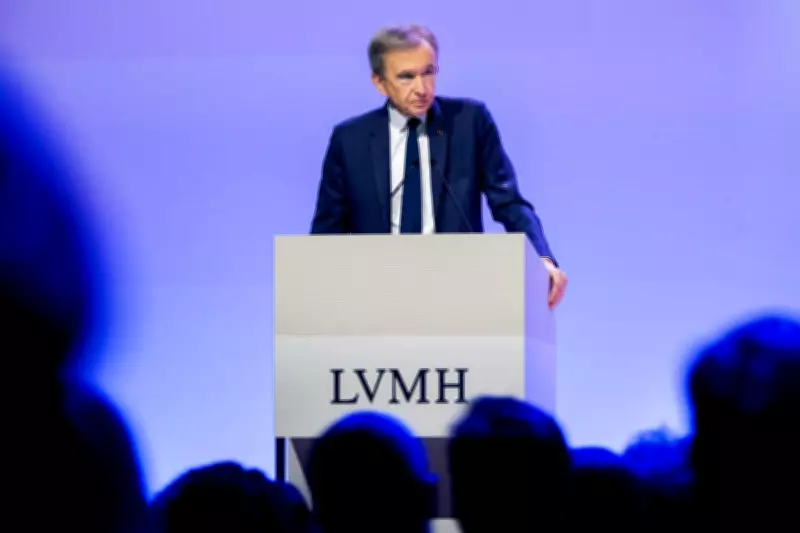
LVMH Reports Sales Decline Amid Iran War, Luxury Sector Revival Stalls
LVMH Moët Hennessy Louis Vuitton, the world's leading luxury goods conglomerate, has disclosed a notable sales downturn attributed to the ongoing conflict in Iran. This development deals a substantial blow to optimistic projections for a resurgence in the luxury market, which had been anticipated following recent economic adjustments.
Impact of Geopolitical Tensions on High-End Markets
The Iran war has introduced significant volatility and uncertainty into global markets, directly affecting consumer sentiment and spending patterns. Luxury brands, including those under the LVMH umbrella such as Louis Vuitton, Dior, and Tiffany & Co., are experiencing reduced demand as geopolitical risks escalate. This conflict disrupts supply chains, increases operational costs, and diminishes the disposable income of affluent consumers in key regions.
Analysts had forecasted a robust recovery for the luxury sector in 2026, driven by pent-up demand and economic stabilization. However, the persistent hostilities in Iran have undermined these expectations, leading to revised growth estimates. The luxury industry, which thrives on stability and consumer confidence, is particularly vulnerable to such geopolitical shocks.

Broader Implications for the Global Economy
The sales hit reported by LVMH serves as a critical indicator of broader economic challenges. Investors and market observers are closely monitoring the situation, as luxury goods often act as a barometer for global economic health. The decline in sales suggests that high-net-worth individuals are adopting a more cautious approach, potentially signaling a slowdown in discretionary spending across other sectors.
Furthermore, the Iran conflict has exacerbated existing issues such as inflation and supply chain disruptions, compounding the difficulties faced by luxury retailers. Companies like LVMH are now compelled to reassess their strategies, focusing on resilience and adaptability in an increasingly unpredictable environment.
Future Outlook and Strategic Adjustments
In response to these challenges, LVMH and its competitors are likely to implement several strategic adjustments. These may include:
- Diversifying supply chains to mitigate geopolitical risks
- Enhancing digital and e-commerce platforms to reach consumers directly
- Targeting emerging markets less affected by the conflict
- Investing in sustainable and ethical practices to appeal to conscious consumers
While the immediate outlook appears subdued, industry experts emphasize that the luxury sector has historically demonstrated resilience. Long-term growth prospects remain intact, but the path to recovery may be prolonged and contingent on geopolitical developments.
The report from LVMH underscores the intricate link between global events and economic performance, highlighting the need for businesses to remain agile in the face of unforeseen challenges. As the situation evolves, stakeholders will be watching for signs of stabilization that could reignite growth in the luxury market.






