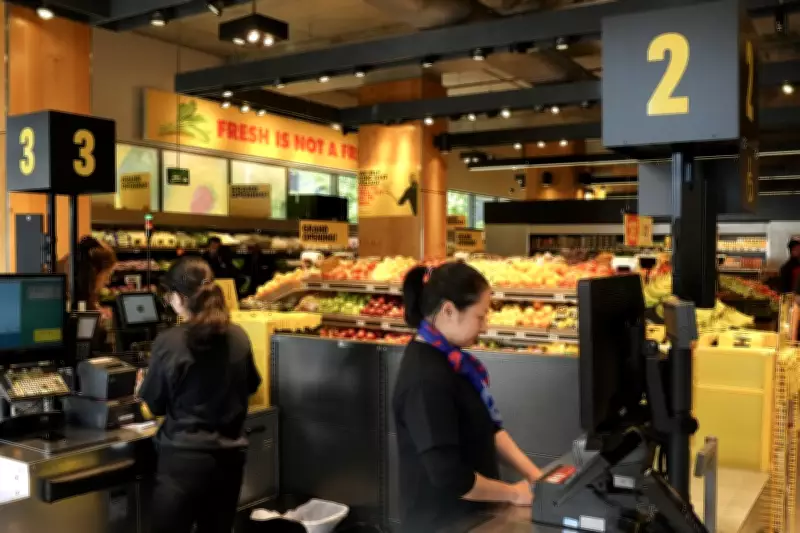
In a significant strategic move reflecting broader economic trends, Canadian grocery conglomerate Loblaws has unveiled plans for a substantial expansion of its discount supermarket chain, No Frills. This initiative, described by industry observers as a "sign of the times," involves heavy investment aimed at increasing the number of budget-friendly stores across the country.
A Strategic Pivot Towards Affordability
The announcement comes as consumers grapple with persistent inflation and cost-of-living concerns, driving demand for more economical shopping options. Loblaws, which operates under a portfolio of well-known banners, is channeling resources into the No Frills brand to capitalize on this shift. The expansion is not merely about adding new locations; it represents a deliberate reorientation of the company's growth strategy to prioritize value-oriented retail.
Meeting Consumer Needs in a Challenging Economy
Market analysts highlight that this move aligns with changing consumer behaviors, where shoppers are increasingly seeking ways to stretch their grocery budgets without compromising on quality. By investing in the discount segment, Loblaws aims to strengthen its market position and cater to a wider demographic, including price-sensitive families and individuals affected by economic uncertainties.

The expansion plan includes:
- Opening numerous new No Frills stores in various regions.
- Enhancing existing locations with improved layouts and product offerings.
- Focusing on operational efficiencies to maintain low prices.
Implications for the Retail Landscape
This aggressive push into the discount market could intensify competition among grocery retailers, potentially leading to more price wars and innovation in cost-saving measures. Other major chains may feel pressured to respond with similar investments or promotional strategies to retain their customer base.
Furthermore, the expansion is expected to create job opportunities in construction, retail management, and store operations, providing a modest boost to local economies. However, it also raises questions about the long-term sustainability of such growth in a sector already characterized by thin profit margins.
Broader Context and Future Outlook
The decision by Loblaws underscores a broader trend in the retail industry, where companies are adapting to post-pandemic economic realities. As disposable incomes remain squeezed, discount and value-focused retailers are poised to gain market share. This expansion signals Loblaws' confidence in the resilience of the discount grocery model and its commitment to evolving with consumer preferences.
Looking ahead, the success of this initiative will depend on execution, including site selection, supply chain management, and maintaining the value proposition that defines the No Frills brand. Industry watchers will closely monitor how this investment impacts Loblaws' financial performance and competitive standing in the coming years.