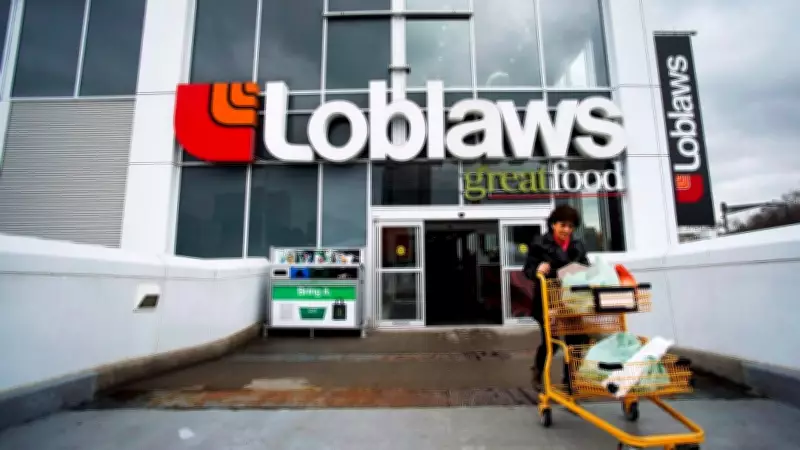
Canada's dominant grocery retailer, Loblaw Companies Ltd., has reported financial results for the fourth quarter that fell short of market expectations. The company, which operates a vast network of stores including Loblaws, No Frills, and Shoppers Drug Mart, disclosed revenue figures that did not meet the estimates set by financial analysts.
Financial Performance Details
The fourth-quarter revenue miss comes amid a highly competitive and evolving retail landscape in Canada. Loblaw, as a key player in the nation's grocery sector, faces ongoing pressures from shifting consumer behaviors, inflationary trends, and intense market rivalry. While specific numerical data from the report was not detailed in the initial coverage, the shortfall indicates potential headwinds affecting the company's sales performance during the critical holiday period.
Broader Industry Context
This development occurs within a broader context of significant activity in Canadian business and finance. For instance, other major financial institutions like National Bank and BMO Financial Group have recently announced robust quarterly profits, showcasing a contrast in sectoral performances. National Bank reported a first-quarter profit of $1.25 billion, up from $997 million a year earlier, while BMO posted $2.49 billion in Q1 profit, an increase from $2.14 billion previously.

Such disparities highlight the varied challenges across different segments of the economy. The grocery retail sector, in particular, is navigating issues such as supply chain complexities, changing dietary preferences, and the need for technological integration to enhance customer experience.
Strategic Implications and Future Outlook
Loblaw's revenue shortfall may prompt strategic reassessments as the company aims to bolster its market position. Potential areas of focus could include:
- Pricing Strategies: Adjusting price points to attract cost-conscious consumers without compromising margins.
- Digital Expansion: Investing in e-commerce platforms and online delivery services to capture growing digital demand.
- Product Diversification: Expanding offerings in private-label brands and health-focused products to differentiate from competitors.
As Loblaw moves forward, its ability to adapt to these dynamic market conditions will be crucial for regaining momentum and meeting future financial targets. The company's performance will continue to be closely monitored by investors and industry observers alike, serving as a barometer for the health of Canada's retail sector.