U.S. FTC to Appeal Court Ruling That Found Meta Not a Social Media Monopoly
The United States Federal Trade Commission (FTC) has announced it will appeal a federal judge's decision that Meta Platforms Inc. does not hold a monopoly in the social networking market. This move comes after a significant legal defeat for the agency, which had sought to break up the company under antitrust laws.
Court Ruling Deals Blow to FTC's Antitrust Case
In November, Judge James Boasberg ruled that Meta's acquisitions of Instagram and WhatsApp did not violate antitrust regulations. The judge determined that Meta faces substantial competition from platforms like Alphabet Inc.'s YouTube and TikTok, thereby negating claims of illegal monopolization. This ruling represents a major loss for the FTC, which initiated the lawsuit during the first Trump administration with the aim of dismantling the social media giant.
Background and Implications of the Case
The FTC's case against Meta has been closely watched as a key test of antitrust enforcement in the digital age. The agency argued that Meta's dominance stifles competition and innovation, but the court's decision challenges this view by highlighting the dynamic nature of the social media landscape.

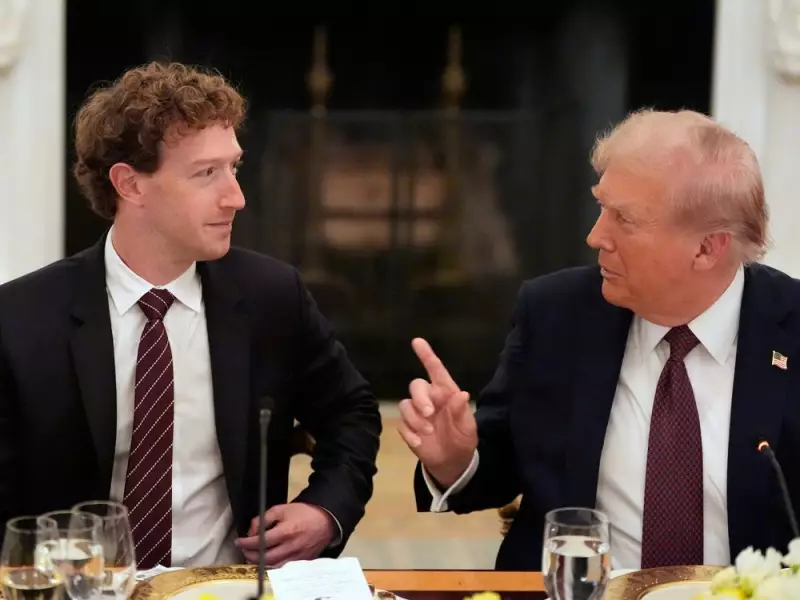
Meanwhile, Meta CEO Mark Zuckerberg has reportedly engaged in efforts to build relationships with former President Donald Trump and his administration. These efforts have included corporate policy changes, such as:
- Eliminating certain hate speech rules
- Dismantling external fact-checking initiatives
- Scaling back diversity programs
The appeal by the FTC signals an ongoing battle over market power and regulation in the tech industry, with potential ramifications for future antitrust actions against other major corporations.