

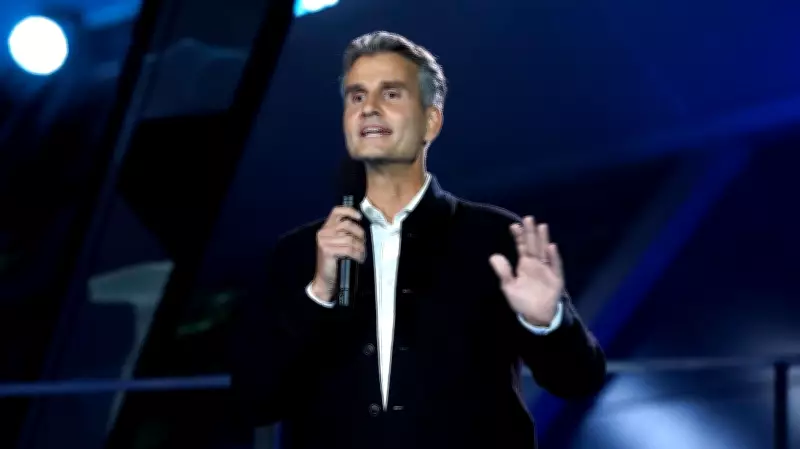
Disney Appoints Theme Parks Chief Josh D'Amaro as New CEO
In a significant leadership transition, the Walt Disney Company has officially named Josh D'Amaro, the current chairman of Disney Parks, Experiences and Products, as its new Chief Executive Officer. This move ends years of speculation regarding the succession plan at the storied entertainment giant and places a seasoned insider at the helm during a period of profound transformation in the media landscape.
A Veteran Leader Takes the Reins
Josh D'Amaro, 54, will assume the CEO role from Bob Iger, 74, effective March 18. Iger, who has been credited with shaping the modern Disney through landmark acquisitions including Pixar, Marvel, Lucasfilm, and 21st Century Fox, has seen his retirement delayed multiple times. The company brought Iger back in 2022 to replace his handpicked successor, Bob Chapek, after the pandemic severely impacted Disney's operations.
To ensure a smoother transition this time, Disney appointed Morgan Stanley veteran James Gorman as chairman in 2024 to oversee the CEO search. Gorman, known for managing a seamless leadership change at the Wall Street bank, joined as Disney extended Iger's tenure for a fifth time through 2026.

D'Amaro's Proven Track Record
D'Amaro brings nearly three decades of experience within the Disney organization, most recently leading its most profitable division. The experiences unit, which encompasses theme parks and cruise lines, has seen consistent sales growth since the pandemic receded in 2021. In the last fiscal year, this division achieved a record operating profit of nearly $10 billion, accounting for approximately 60% of the company's total earnings.
Under his leadership, Disney is advancing its expansion into the Middle East with a new theme park in Abu Dhabi, marking the company's first major new park development in nearly a decade. However, D'Amaro faces immediate challenges, including a decline in international visitors to U.S. parks, which recently contributed to a more than 7% drop in Disney's share price.
Strategic Appointments and Industry Challenges
In addition to D'Amaro's promotion, Disney has named entertainment co-chief Dana Walden as chief content officer and president. Walden, a creative executive with a string of commercial and critical successes, along with strong talent relationships, is seen as following in Iger's mold.
The new CEO steps into his role at a critical juncture for the entertainment industry. Generative artificial intelligence tools are poised to reshape content creation by automating writing, editing, and visual effects. Disney itself has drawn scrutiny after agreeing to let OpenAI use characters from its Star Wars, Pixar, and Marvel franchises in the Sora AI video generator, alongside a $1 billion investment in the startup.
Furthermore, major guild contracts for writers and actors are set to expire in May and June, setting the stage for potentially contentious labor negotiations. The 2023 dual strikes, partially fueled by disputes over AI usage, resulted in approximately $6 billion in lost output and highlighted the industry's vulnerabilities.
Navigating a Competitive and Political Landscape
D'Amaro will also need to address heightened competition in the streaming sector. Netflix and Paramount are actively seeking to acquire Warner Bros assets, which could create a formidable new rival in both streaming and studio operations.
Political pressures add another layer of complexity. The Trump administration has criticized Disney over its programming decisions, including a recent incident where "Jimmy Kimmel Live" was temporarily pulled following controversial remarks by the host. President Donald Trump has also suggested that licenses for Disney-owned ABC affiliates should be revoked after a reporter questioned him about the Jeffrey Epstein scandal.
As D'Amaro prepares to lead Disney, his experience in managing the company's most lucrative division will be tested against these multifaceted challenges, from technological disruption and labor relations to competitive threats and political scrutiny.






