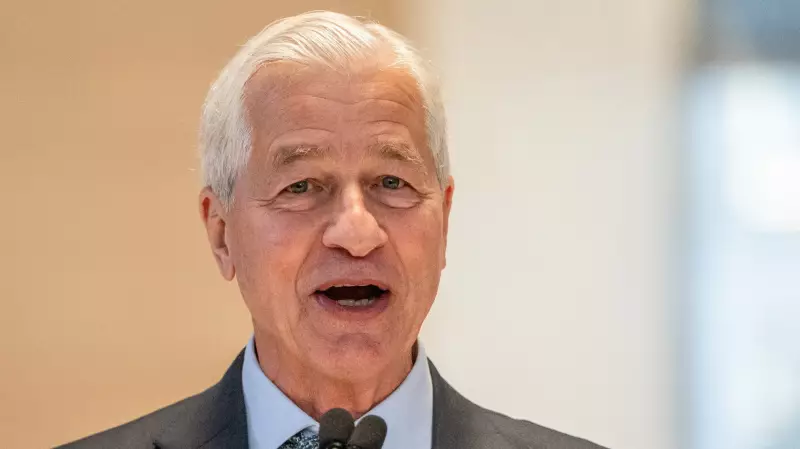
In a remarkable turn of events that has sent shockwaves through political and financial circles, JPMorgan Chase CEO Jamie Dimon has broken from corporate convention with surprising comments about former President Donald Trump's economic record.
Wall Street Titan's Unexpected Position
During a high-profile interview, the influential banking chief acknowledged that Trump "wasn't wrong about some major issues" affecting the American economy. Dimon's comments represent a significant departure from the typical corporate stance toward the former president and have ignited intense discussion about the evolving relationship between big business and politics.
A Call for Respectful Dialogue
Perhaps more notably, Dimon issued a direct challenge to his fellow business leaders and Democratic supporters. "I wish the Democrats would think a little more carefully when they talk about MAGA," he stated, urging more respectful engagement with conservative voters. His remarks suggest a growing concern within corporate leadership about the polarization of political discourse.

Economic Policy Under Scrutiny
The JPMorgan CEO specifically highlighted areas where he believes Trump's policies showed merit, including:
- NATO relations and international diplomacy
- Economic growth strategies
- Immigration reform approaches
- Corporate tax structures
Dimon's nuanced position reflects a broader reassessment within the business community as the 2024 election landscape takes shape. His comments come at a time when many corporate leaders are reevaluating their political engagements and public statements.
The Business Community's Evolving Role
This isn't the first time Dimon has positioned himself as an independent voice within the corporate world. However, his latest statements carry particular weight given his status as one of America's most influential banking executives and his previous criticisms of Trump.
The banking chief's comments signal a potential shift in how business leaders might approach the upcoming election cycle, suggesting that economic considerations may outweigh other factors for some in the corporate elite.