Crown Royal Boycott at LCBO: Economic Ripple Effects Beyond Ontario's Borders
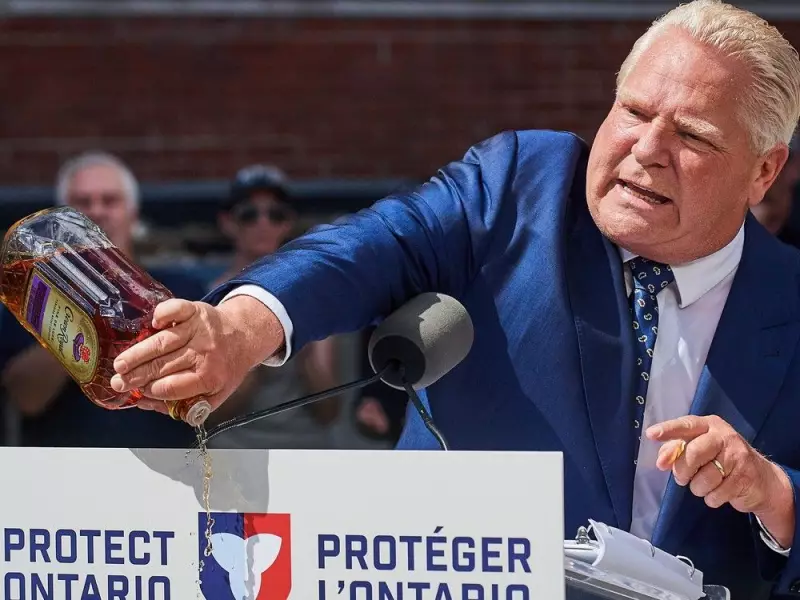
Ontario Premier Doug Ford's recent call for residents to "stock up" on Crown Royal whisky before it disappears from LCBO shelves next month has sparked a complex debate about economic retaliation and its broader consequences. The move comes in response to British liquor giant Diageo's decision to shutter one of its Ontario factories and relocate operations to the United States.
Unintended Consequences for Canadian Workers
While Ford's boycott aims to pressure Diageo, Canadian researcher and professor Sylvain Charlebois warns that the repercussions may extend far beyond Ontario's borders. According to Charlebois, a visiting scholar in food policy and distribution at McGill University, the LCBO's decision to pull Crown Royal could adversely impact jobs in Manitoba and Quebec, where significant production continues.
Who Bears the Brunt of the Boycott?
The Crown Royal manufacturing ecosystem involves multiple provinces:

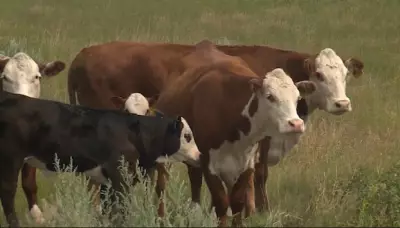
- Manitoba: The Gimli distillery, located at the edge of Lake Winnipeg, houses 1.5 million barrels of Crown Royal whisky. Canadian farmers in Manitoba support production at this facility.
- Quebec: The Valleyfield Distillery produces 28 million litres of alcohol annually, including Crown Royal, according to industry sources.
Charlebois emphasizes that "the Crown Royal being consumed in Canada is bottled out of Valleyfield, Quebec", and losing the LCBO as a client could threaten jobs in both provinces. He notes that the LCBO is likely the largest client for the Valleyfield plant.
Supply Chain Vulnerabilities
The timing of the boycott creates additional pressure. With the ban potentially taking effect in February, the Gimli plant is already working to reassure farmers and maintain supply chains. Charlebois explains, "The last thing Gimli wants is to see a growing number of farmers giving up on the Gimli plant and planting something else."
This concern highlights how agricultural decisions could ripple through the whisky production pipeline, affecting everything from grain cultivation to distillation.
Union Perspective on Job Threats
Barry Sawyer, national president of United Food and Commercial Workers (UFCW) Canada, which represents workers in Manitoba and Ontario, underscores the human impact. In a statement to National Post, Sawyer noted that hundreds of Canadians contribute to producing Crown Royal whisky for LCBO shelves.
He argues that "the plan to pull Crown Royal from the largest liquor market in Canada threatens these livelihoods, and attacks Canadian workers in a time when we need to stand together as a country."
A Broader Economic Calculus
The situation reveals the interconnected nature of Canada's manufacturing and agricultural sectors. While Ford's boycott targets Diageo's corporate decision, it inadvertently places strain on workers and farmers in provinces that continue to support Crown Royal production.
As the February deadline approaches, the debate continues over whether the boycott effectively pressures Diageo or primarily harms Canadian workers outside Ontario. The complex supply chains and interprovincial dependencies suggest that economic retaliation in one region can create unintended challenges elsewhere in the country.