

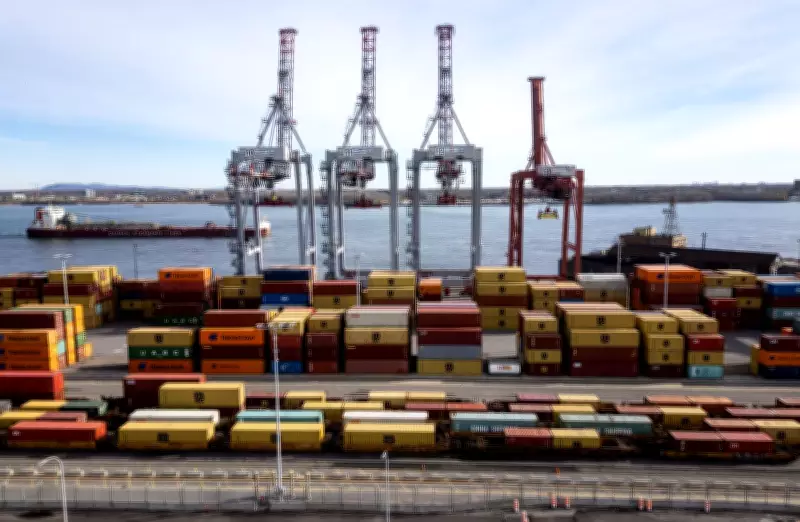
Canadian Businesses Seek Financial Relief Through Tariff Refund-Backed Loans
In response to ongoing trade disruptions and tariff impositions, numerous Canadian companies are exploring unconventional financing strategies to stabilize their operations. A growing trend involves securing loans by leveraging anticipated refunds from tariff claims, offering a lifeline to firms grappling with cash flow constraints.
Innovative Financing Amid Economic Strain
The concept revolves around using future tariff refunds as collateral for loans, allowing businesses to access immediate capital while awaiting government reimbursements. This approach is particularly appealing to sectors heavily affected by international trade disputes, such as manufacturing and agriculture, where tariffs have escalated costs and squeezed profit margins.
Financial institutions are increasingly open to structuring these loans, recognizing the reliability of refund claims backed by government policies. This method provides companies with a crucial buffer, enabling them to cover operational expenses, invest in growth, or navigate seasonal fluctuations without depleting reserves.

Broader Implications for the Economy
The adoption of tariff refund-backed loans highlights the adaptive strategies businesses are employing in a volatile global trade environment. Experts note that this trend could spur innovation in corporate finance, encouraging more flexible lending practices tailored to specific industry challenges.
However, risks remain, including potential delays in refund processing or changes in trade regulations that could affect claim validity. Companies are advised to conduct thorough due diligence and consult with financial advisors to mitigate these uncertainties.
As trade tensions persist, such financing solutions may become more prevalent, underscoring the resilience of Canadian enterprises in the face of economic headwinds. This development reflects a proactive approach to managing financial health while awaiting policy resolutions.






