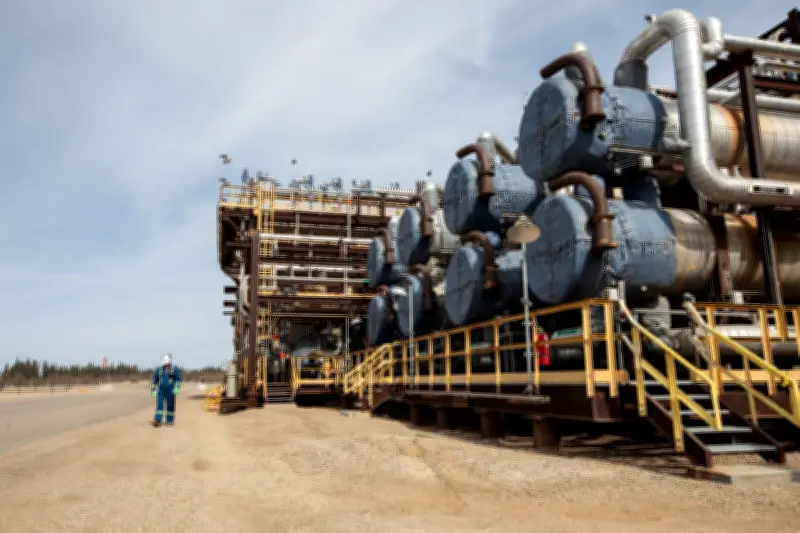
Canadian energy exports are carrying the economy as ongoing U.S. tariffs hammer the manufacturing sector, economists say. The divergence underscores a growing imbalance in Canada's economic structure, with resource extraction outpacing industrial production.
Energy Sector Outperforms Manufacturing
Dominique LaPointe, director of macro strategy at Manulife Investment Management, told BNN Bloomberg that the energy sector has become a critical buffer against broader economic weakness. Canada's April GDP data showed energy exports rising while manufacturing output contracted, reflecting the uneven impact of trade policies.
According to economists, the energy industry's resilience stems from sustained global demand and limited exposure to U.S. tariffs, which have primarily targeted manufactured goods. In contrast, manufacturing has faced declining orders and supply chain disruptions since the tariff escalation began.

Tariffs Bite Manufacturing
Canada's former trade chief said no tariff deal is expected before the U.S. midterm elections, prolonging uncertainty for manufacturers. The continental trade pact remains in place as the U.S. has blown past a key deadline to resolve disputes, leaving businesses in limbo.
Manufacturing output fell in several provinces, with Ontario and Quebec hardest hit. The sector employs hundreds of thousands of workers and contributes significantly to GDP, but tariff-related costs have eroded competitiveness.
Opportunity for Energy Superpower
Despite manufacturing struggles, the head of the International Energy Agency (IEA) said Canada has a “once in a lifetime opportunity” to become an energy superpower. The country's vast oil, gas, and renewable resources position it to supply global markets as demand shifts.
However, economists warn that overreliance on energy could leave the economy vulnerable to price swings. Diversification remains a key challenge, with calls for investment in value-added industries to reduce dependence on raw resource exports.
Broader Economic Impact
The tariff war has also affected consumer confidence and business investment. Canada's central bank has flagged risks to growth, though energy export revenues have helped stabilize the currency. Meanwhile, the government has announced support programs for affected manufacturing workers.
As the U.S. election cycle approaches, trade policy is expected to remain a central issue. Canadian officials continue to push for tariff relief, but economists caution that a resolution may take months, leaving manufacturers to adapt to a prolonged period of uncertainty.