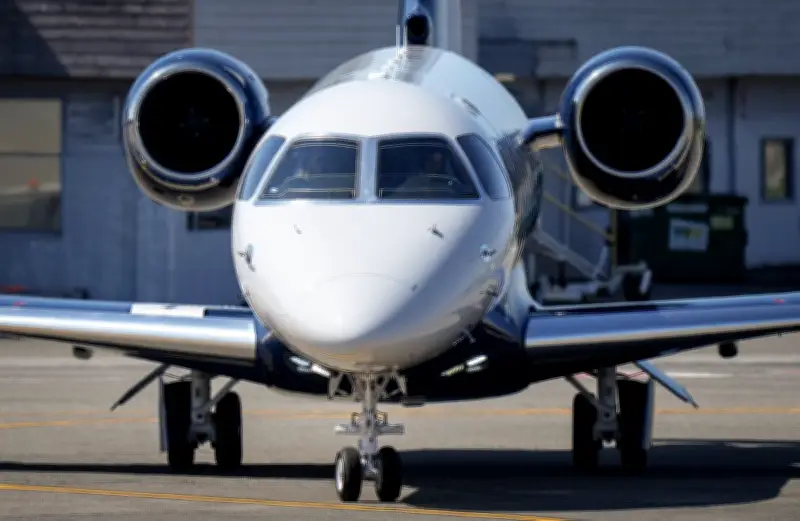
Canada's luxury tax on private jets and high-end cars has generated over $900 million in revenue since its implementation in 2022, according to government data. However, the tax has now been significantly scaled back following industry pressure and concerns about its economic impact.
Tax Details and Revenue
The luxury tax, introduced as part of the federal budget, applied to the sale of new aircraft and vehicles priced above $100,000, with a 10% tax on the portion of the price exceeding that threshold. For cars, the threshold was set at $100,000, while for aircraft it was $100,000 as well. The tax aimed to target wealthy consumers and raise funds for government programs.
Since its inception, the tax has collected over $900 million, with the majority coming from aircraft sales. The revenue exceeded initial government projections, which estimated about $800 million over five years.

Scaling Back the Tax
Despite the revenue success, the government announced a scaling back of the luxury tax effective July 1, 2026. Key changes include:
- Exempting all vehicles priced under $150,000 from the tax, effectively removing most cars from the levy.
- Reducing the tax rate on aircraft from 10% to 5% for the portion above $100,000.
- Introducing a new exemption for aircraft used primarily for business purposes, such as corporate jets, if they meet certain usage criteria.
These changes are expected to reduce future revenue from the tax by approximately 40%, according to government estimates.
Reasons for the Change
The government cited several reasons for scaling back the tax. Industry groups, particularly in the aviation and automotive sectors, argued that the tax was harming Canadian competitiveness and driving sales to the United States. Private jet dealers reported a drop in sales, and some buyers chose to register aircraft in other jurisdictions to avoid the tax.
Additionally, the tax was complex to administer, with many exemptions and reporting requirements. The simplified structure is intended to reduce compliance burdens for businesses and consumers.
Critics of the original tax, including some conservative politicians, welcomed the changes but called for a complete repeal. They argued that the tax unfairly targeted a small segment of the economy and did little to address income inequality.
Impact on Consumers and Industry
For consumers, the changes mean that most luxury car buyers will no longer pay the tax, as only vehicles priced above $150,000 will be affected. This includes high-end models from brands like Rolls-Royce, Bentley, and Ferrari. For aircraft buyers, the reduced rate and business-use exemption will lower costs for many corporate buyers.
The aviation industry expects a rebound in sales, with some dealers reporting increased inquiries since the announcement. The automotive sector also anticipates a boost, though the impact is expected to be moderate given that few cars exceed the new threshold.
The government maintains that the tax remains a valuable tool for raising revenue from the wealthiest Canadians, even in its scaled-back form. However, the long-term future of the tax remains uncertain, with some analysts predicting further reductions or a complete phase-out if economic conditions change.