Berkshire Hathaway's Leadership Transition May Prompt Major Portfolio Shift
The investment world is closely watching a potential significant move from Berkshire Hathaway as the conglomerate's leadership prepares for a historic transition. According to recent reports, the individual poised to succeed the legendary investor Warren Buffett is evaluating the sale of Berkshire's substantial holding in Kraft Heinz.
A Substantial Stake Under Review
Berkshire Hathaway currently holds approximately 325 million shares in the global food giant Kraft Heinz, representing one of the company's most prominent long-term investments. This position has been a cornerstone of Berkshire's portfolio for years, reflecting Buffett's traditional value-investing philosophy and confidence in consumer staple companies.
The potential divestment signals what could be the first major portfolio adjustment under new leadership. While Warren Buffett has famously advocated for holding investments "forever" when appropriate, his successor appears to be taking a fresh look at Berkshire's holdings as part of a broader strategic assessment.

Context of Leadership Change
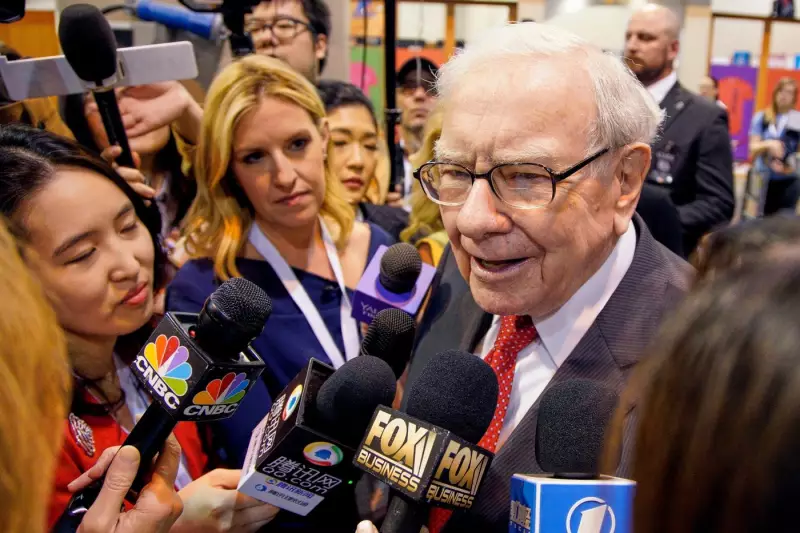
Warren Buffett, who has served as Chairman and CEO of Berkshire Hathaway since 1965, has been gradually preparing the company for leadership succession. The 95-year-old investing icon has been transparent about succession planning, though he has not publicly named his replacement.
The consideration of selling the Kraft Heinz position comes at a time when the food industry faces numerous challenges, including changing consumer preferences, inflationary pressures on ingredients, and increased competition from private label brands. Kraft Heinz itself has undergone significant restructuring in recent years to adapt to these market dynamics.
Market Implications of a Potential SaleA sale of this magnitude would have substantial implications for both Berkshire Hathaway and Kraft Heinz. For Berkshire, the transaction would generate significant capital that could be redeployed into other investment opportunities or used to strengthen the company's already robust cash position.
For Kraft Heinz, the departure of such a prominent and long-term shareholder could affect market perception and potentially increase stock volatility. However, it might also attract new investors who have been hesitant to invest while Berkshire maintained such a dominant position.
Broader Investment Strategy Considerations
This potential move raises questions about whether Berkshire Hathaway's investment strategy might evolve under new leadership. While Buffett has built his reputation on identifying undervalued companies with strong competitive advantages, his successor may bring a different perspective to capital allocation decisions.
The food and beverage sector has undergone significant transformation in recent years, with health-conscious consumers driving demand for organic, natural, and plant-based alternatives. These shifts have challenged traditional packaged food companies like Kraft Heinz to adapt their product portfolios and marketing strategies.
Financial analysts will be watching closely to see if this potential sale represents an isolated portfolio adjustment or the beginning of a broader reassessment of Berkshire's investment philosophy. The conglomerate's massive size means that any significant portfolio changes can have ripple effects throughout the markets where it operates.As Berkshire Hathaway prepares for its eventual leadership transition, this potential sale of Kraft Heinz shares represents more than just a routine portfolio adjustment. It symbolizes the passing of an investment era and the beginning of what may be a new chapter for one of the world's most closely watched conglomerates.