

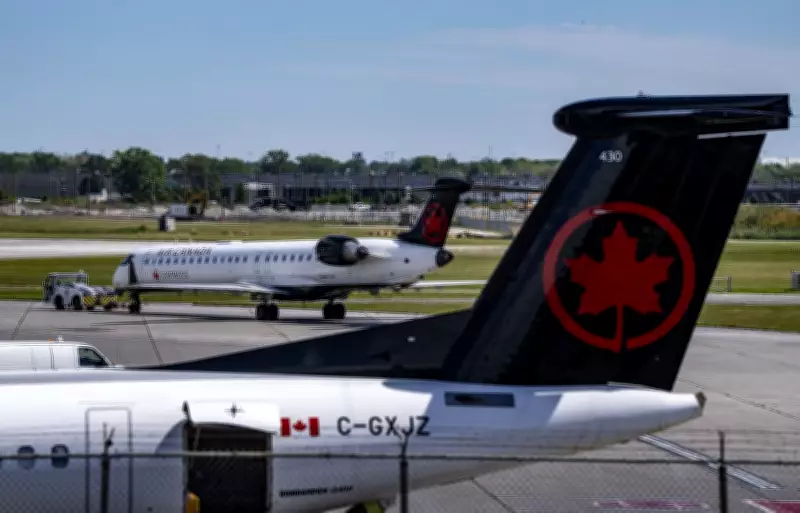
Air Canada's Pricing Practices Under Supreme Court Scrutiny in Landmark Class-Action Case
The Supreme Court of Canada is set to adjudicate a significant class-action lawsuit that accuses Air Canada, the nation's flagship carrier, of systematically charging customers more than its advertised prices. This legal battle, which has been winding through the courts for years, centers on allegations that the airline engaged in deceptive pricing practices, potentially affecting countless travelers across the country.
Core Allegations and Legal Background
The lawsuit alleges that Air Canada advertised fares that did not reflect the total cost paid by consumers, with additional fees and surcharges allegedly hidden or inadequately disclosed during the booking process. Plaintiffs argue that this constitutes a breach of consumer protection laws and misleads customers about the true expense of air travel.
Originally filed as a class-action, the case has progressed to the Supreme Court after lower court rulings, highlighting its importance in defining the boundaries of advertised pricing in the airline industry. The outcome could set a precedent for how airlines and other businesses disclose costs to consumers in Canada.

Potential Implications for Consumers and the Airline Industry
If the Supreme Court rules in favor of the plaintiffs, it could lead to substantial financial repercussions for Air Canada, including possible refunds or damages to affected customers. More broadly, a decision against the airline might enforce stricter transparency requirements for all carriers, mandating clearer breakdowns of fees like taxes, fuel surcharges, and baggage costs in initial advertisements.
This case emerges amid growing consumer frustration over hidden fees in various sectors, from telecommunications to hospitality. A ruling could empower regulatory bodies like the Competition Bureau to take a more aggressive stance against misleading advertising practices, fostering a fairer marketplace for Canadian consumers.
Air Canada's Position and Broader Context
While Air Canada has defended its pricing as compliant with regulations, the lawsuit challenges whether current laws adequately protect consumers from complex fee structures. The airline industry globally has faced similar scrutiny, with jurisdictions like the European Union implementing regulations for all-inclusive pricing to enhance transparency.
The Supreme Court's hearing is scheduled for the coming months, with legal experts anticipating a decision that could reshape advertising standards in Canada. This case underscores the ongoing tension between corporate pricing strategies and consumer rights, making it a critical watch for travelers and businesses alike.






