

Left-Wing Activists Launch Ethical Attack on Canadian Billionaire Jim Pattison
Political activists and academics have ignited a firestorm of controversy surrounding Canadian business magnate Jim Pattison, targeting his corporate empire over a proposed real estate transaction with U.S. Immigration and Customs Enforcement (ICE). The ethical debate has spilled into public protests and calls for boycotts, highlighting the growing tension between corporate operations and social activism in Canada.
Vancouver Mogul Faces Public Scrutiny
Jim Pattison, ranked among Canada's wealthiest individuals with an estimated net worth of $11.9 billion, finds himself at the center of a heated political debate. The controversy stems from his real estate division's planned sale of a Virginia warehouse property to ICE, the U.S. government agency that has faced significant criticism for its immigration enforcement activities under the Trump administration.
The proposed transaction involves a property reportedly purchased for approximately C$10 million, with additional millions invested in upgrades, making it attractive to ICE at an estimated price tag of C$69 million. While this represents a relatively minor transaction within the vast Pattison business empire, it has triggered substantial political backlash.

BC Green Party Leader Takes Center Stage
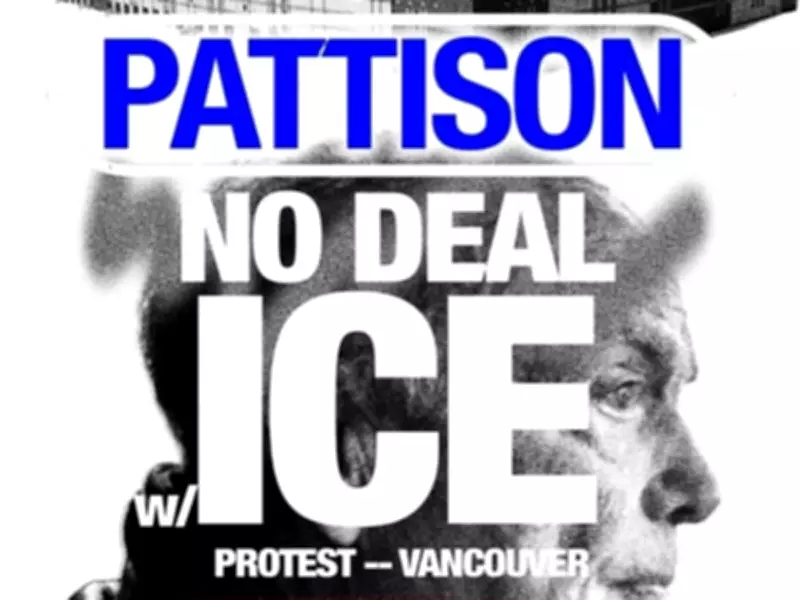
BC Green Party leader Emily Lowan has emerged as a prominent voice in the opposition movement. On January 30, 2026, Lowan posted an Instagram advertisement promoting a Vancouver protest scheduled for that Friday, explicitly calling for a boycott of Pattison's companies. Her video statement declared, "Yesterday I called for a boycott on B.C. billionaire Jim Pattison to cut his ties with ICE."
This activist campaign follows similar scrutiny faced by other Canadian companies with ICE connections, including Vancouver-based tech firm Hootsuite and Ontario armoured vehicle manufacturer Rocher. However, Pattison's high profile and substantial wealth have made him a particularly attractive target for what critics describe as ideological attacks.
The Ethical Debate Intensifies
The controversy raises complex questions about corporate ethics and social responsibility in an increasingly polarized political climate. Critics argue that any business dealings with ICE represent complicity with an agency whose activities they view as morally questionable, particularly following incidents where ICE forces have been involved in fatal encounters with demonstrators in American cities like Minneapolis.
Supporters of Pattison and free enterprise counter that the attacks represent what they characterize as unethical left-wing activism targeting successful entrepreneurs for political purposes. They note that the Jim Pattison Group operates across twenty diverse divisions including food, forest products, advertising, media, and automobile retailing, contributing significantly to economic growth and employment.
Broader Implications for Canadian Business
This incident reflects a growing trend where Canadian corporations face increasing pressure to align their operations with specific political and social values. The Pattison controversy demonstrates how individual business transactions can become flashpoints in larger ideological battles, particularly when high-profile billionaires are involved.
As the debate continues to unfold, it raises important questions about where the line should be drawn between legitimate corporate activity and social responsibility expectations. The situation also highlights how political activists are increasingly targeting corporate Canada as part of broader social and political campaigns, creating new challenges for businesses operating in today's complex ethical landscape.
The outcome of this controversy may establish important precedents for how Canadian companies navigate similar ethical dilemmas in the future, particularly when operating in international markets with different political environments and expectations.






