

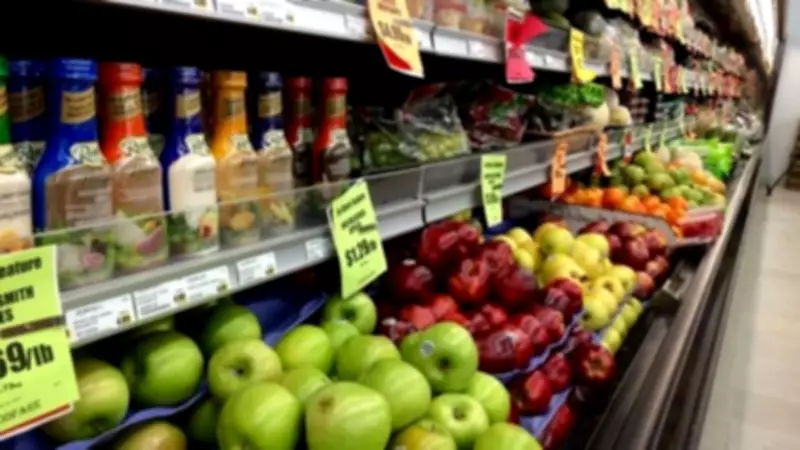
Winnipeg Province Launches Comprehensive Grocery Pricing Study
The province of Winnipeg has officially launched a new study targeting predatory and dynamic pricing practices within the grocery sector. This initiative aims to investigate how fluctuating prices, often influenced by external factors like fuel costs, affect consumers beyond essential expenses such as gasoline and home heating bills.
Economic Insights from University of Winnipeg
Phil Cyrenne, an economics professor at the University of Winnipeg, highlighted the broader implications of these pricing strategies. He noted that supermarkets incur significant fuel costs, which can trickle down to consumers, impacting their overall spending power. This study seeks to uncover the mechanisms behind these pricing models and their effects on household budgets.
Scope and Objectives of the Study
The research will delve into various aspects of grocery pricing, including:

- Dynamic Pricing: Examining how prices change in real-time based on demand, supply, and other market conditions.
- Predatory Practices: Identifying tactics that may exploit consumers, such as unjustified price hikes during crises.
- Fuel Cost Impact: Analyzing how transportation and energy expenses contribute to higher grocery prices.
- Consumer Protection: Assessing potential regulatory measures to safeguard shoppers from unfair pricing.
This study is part of a broader effort to promote transparency and fairness in the retail industry, ensuring that consumers are not unduly burdened by volatile pricing structures.
Broader Context and Implications
In recent years, concerns over pricing practices have grown, with many consumers reporting increased financial strain due to rising costs across various sectors. The Winnipeg study aims to provide data-driven insights that could inform policy decisions and enhance consumer awareness. By focusing on grocery pricing, the province addresses a critical area of everyday life, where small price changes can have significant cumulative effects on families.
Experts emphasize that understanding these pricing dynamics is crucial for developing effective strategies to mitigate economic pressures on households. The findings from this study could pave the way for more robust consumer protection laws and industry guidelines.
Looking Ahead
As the study progresses, stakeholders, including government officials, industry representatives, and consumer advocacy groups, will collaborate to ensure a comprehensive analysis. The goal is to create a more equitable marketplace where pricing practices are transparent and fair, ultimately benefiting all residents of Winnipeg and potentially setting a precedent for other regions.
This initiative underscores the province's commitment to addressing economic challenges and protecting consumer interests in an increasingly complex retail environment.






