

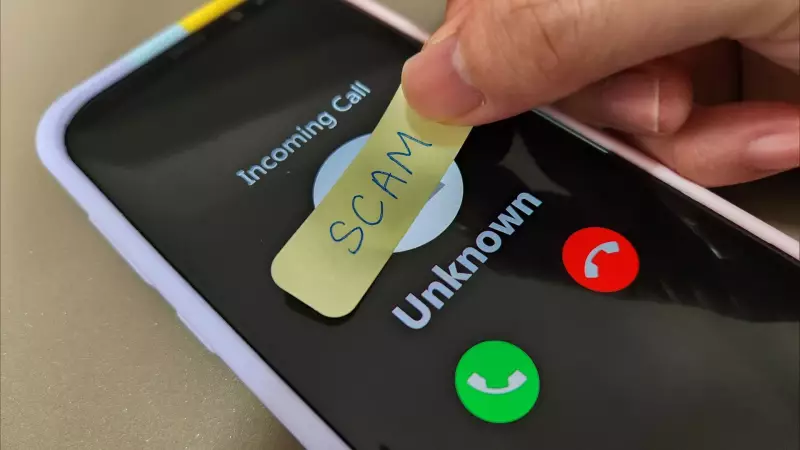
New Water Testing Scam Targets Ontario Residents, Police Warn
Residents in Ontario are being cautioned about a new and deceptive scam that involves fraudsters offering water testing services. This alarming scheme has recently come to light, with authorities issuing warnings to help protect the public from potential financial loss and privacy breaches.
How the Scam Operates
In this sophisticated fraud, individuals posing as water quality experts or representatives from legitimate-sounding companies approach homeowners, often door-to-door or via unsolicited phone calls. They claim to offer free or low-cost water testing, citing concerns about contamination, health risks, or regulatory requirements. Once inside, they may conduct a brief test or simply collect a water sample, then use high-pressure tactics to sell unnecessary filtration systems, purification services, or follow-up appointments at exorbitant prices.
These fraudsters often use fake identification, forged documents, or misleading branding to appear credible. They might reference recent local news about water issues or environmental concerns to create a sense of urgency, preying on fears about safety and well-being.

Risks and Red Flags
Beyond the financial harm, this scam poses several risks:
- Privacy invasion: Scammers may gain access to personal information or home layouts.
- Health concerns: Fake tests could provide inaccurate results, leading to unnecessary anxiety or neglect of real issues.
- Property damage: Improper testing or installation of devices might cause water system problems.
Key red flags include unsolicited offers, requests for upfront payments, refusal to provide verifiable credentials, and pressure to decide immediately. Legitimate water testing services are typically arranged through municipal authorities, certified labs, or reputable companies with transparent pricing and references.
Protecting Yourself
To avoid falling victim, experts recommend:
- Verify credentials by checking with local health departments or consumer protection agencies.
- Ask for identification and contact the organization directly using official numbers from their website.
- Never allow unscheduled testing without prior research and agreement.
- Report suspicious activity to police or the Canadian Anti-Fraud Centre.
This scam highlights the ongoing need for vigilance in consumer affairs, particularly as fraudsters adapt their tactics to exploit current events and regional concerns. By staying informed and cautious, residents can help safeguard their homes and finances from such deceptive practices.






