The U.S. inflation rate accelerated in May to its highest level in over three years, driven primarily by surging energy costs linked to the ongoing Iran conflict. According to data released Wednesday by the Bureau of Labor Statistics, the consumer price index (CPI) climbed 0.5% from April and 4.2% from a year earlier, marking the fastest annual pace since early 2023.
Core Inflation Comes in Below Forecasts
However, a closely watched core gauge that strips out volatile food and energy prices rose a less-than-expected 0.2% from the previous month. This softer reading provided some relief to financial markets, with S&P 500 futures paring losses and Treasury yields remaining largely unchanged after the release.
Energy Costs Drive Overall Increase
More than half of the overall CPI advance was attributed to higher energy costs. Gasoline prices surged 7% in May. Despite this, prices in several categories, including transportation services, health insurance, and new vehicles, declined during the month. Nevertheless, the persistent price increases are eroding consumers' purchasing power, as real average hourly earnings fell 0.7% from a year earlier, the steepest drop in more than three years.

Economists Warn of Further Price Pressures
Even if a resolution to the Iran conflict emerges soon, economists anticipate additional price increases on the horizon. Disruptions to fertilizer markets could eventually lead to higher grocery bills, while rising transportation costs may boost prices for a wide range of consumer goods. These developments could prompt the U.S. Federal Reserve to consider an interest-rate increase later this year.
Household Essentials Show Mixed Trends
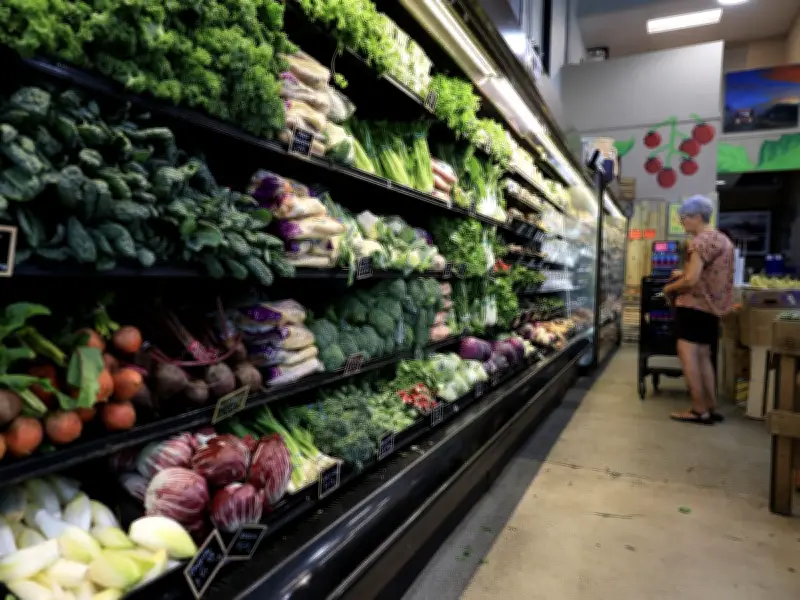
The CPI report revealed that prices for household essentials, excluding gasoline, rose at a more moderate pace in May. Grocery prices increased by just 0.1%, and energy services costs, which include utilities such as electricity and natural gas, also advanced more slowly. However, the combination of higher overall prices and weaker wage gains is putting increased strain on household budgets, especially as consumer sentiment hovers near record lows.
Political Implications
The inflation data is likely to become a central issue in the upcoming November midterm elections. President Donald Trump's approval ratings have declined as Americans express dissatisfaction with his handling of the economy, which was previously considered a strong point for his administration.
Key Categories in Focus
Wednesday's report highlighted several categories of interest. Airfares rose 2.7% in May, while delivery services costs posted a firm advance for a third consecutive month. Economists are monitoring these areas to determine whether higher energy prices are beginning to filter into core inflation.
Prices for goods excluding food and energy fell 0.1%, the largest decline in over a year, as economists watch for signs that retailers are still passing on costs from tariffs imposed by the Trump administration. Used-car prices edged up, but new vehicle prices declined for the second month in a row. Apparel prices continued to rise, though at a slower pace than in recent months.
A deceleration in rental inflation helped offset increases in other categories, following a measurement quirk in April related to the previous year's government shutdown. Owners' equivalent rent, the largest component of the CPI, rose 0.3%.