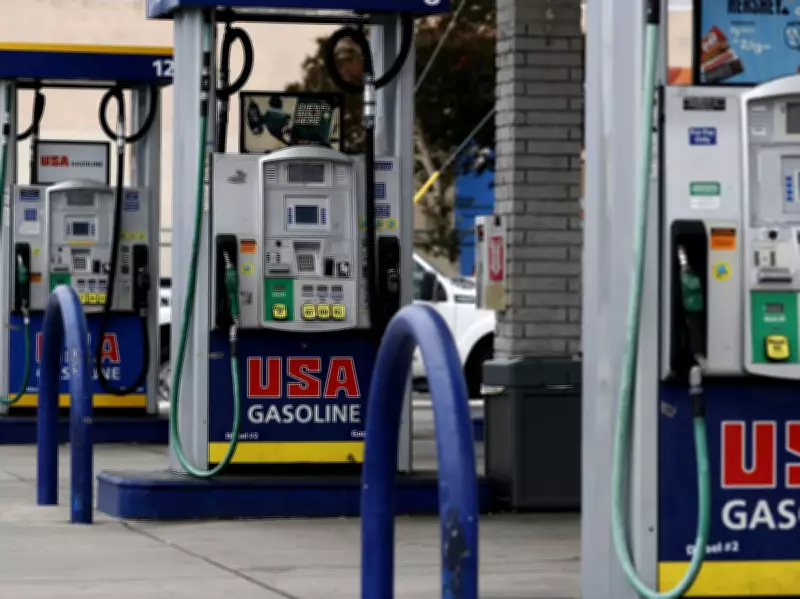
United States inflation accelerated in April, driven by rising gasoline and grocery costs that exceeded wage growth, delivering a double blow to already strained consumers. The consumer price index (CPI) rose 3.8 percent from a year earlier, according to Bureau of Labor Statistics data released Tuesday, marking the highest level since 2023. After adjusting for inflation, wages fell for the first time in three years.
Impact of the Iran War on Energy Costs
The figures underscore how the impact of the Iran war is hitting the U.S. economy as energy costs surge. The BLS report indicated that gas prices rose almost 28 percent over the past two months. Grocery prices, rents, and airfares also saw large increases from a month earlier. A sustained pickup, especially in the cost of essentials, could lead consumers to cut back on spending.
“Inflation, which we thought was under control, is reaccelerating, and that’s a real problem,” said Gus Faucher, chief economist at PNC Financial Services Group. “The longer inflation remains elevated, the more stress that’s going to place on consumers.”

Persistent Cost Pressures Ahead
Even if the current ceasefire holds and the Strait of Hormuz reopens soon, economists anticipate higher costs are likely to persist in the months ahead as oil output normalizes and shipping flows recover. Rising prices for fertilizer are expected to result in higher grocery bills, and elevated oil prices could also make other goods and services more expensive as companies seek to pass rising transport costs on to consumers.
One of the main examples in the April CPI data was airfares, which rose 2.8 percent from a month earlier as the surging cost of jet fuel prompted airlines to raise prices and baggage fees and cut capacity. Overall services costs excluding energy and housing rose 0.5 percent, according to data compiled by Bloomberg. Hotel prices rose 2.8 percent, the most since 2024.
Key Drivers of April Inflation
The overall CPI advanced 0.6 percent in April. Grocery prices rose 0.7 percent, the most in almost four years. Meats, dairy, fresh fruits, and vegetables all posted notable gains. Food prices have been a major contributor to affordability concerns in recent years and could play into Americans’ views of the economy heading into midterm elections.
A separate report Tuesday that combines the inflation figures with recent wage data showed that real average hourly earnings fell 0.3 percent from the year before, marking the first drop in three years. Stocks opened lower and Treasury yields remained higher following the release.
Rent and Shelter Costs Surge
The core CPI, which excludes food and energy, increased 0.4 percent from a month earlier and 2.8 percent from a year earlier, boosted in part by a statistical quirk in the report’s measure of rents resulting from the 2025 government shutdown. Shelter costs were up 0.6 percent in April, the most in more than two years. The rent measures are based on rolling samples of rental housing units collected every six months, and the BLS effectively left them unchanged in October because it wasn’t able to collect data during the shutdown. When those units were priced again in April, they captured a year of increases rather than six months’ worth, making the monthly change in rents look about twice as large as normal.