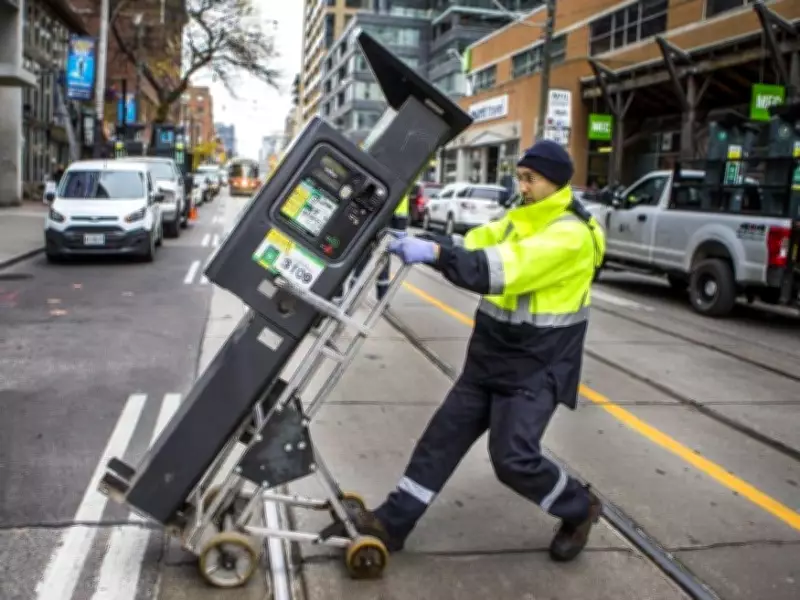
Toronto police are warning the public about a new scam involving fake QR codes placed on parking meters and possibly on bike share bicycles. In the past week, authorities have received three reports of fraudulent codes that trick users into paying inflated fees.
How the Scam Works
According to Constable Shannon Eames of the Toronto Police Service, individuals attempting to pay for street parking scan a QR code that directs them to a website that appears legitimate. After making a payment, they discover they have been charged nearly $2,000 instead of the expected $7.
Bike Share Toronto also issued a warning on social media, stating that fraudulent QR codes have been found placed over the official codes on some of their bikes. However, police have not yet received any reports related to bike shares. Constable Eames noted that the same scam could potentially affect bike share users.

Precautionary Measures
Toronto Police have provided a list of precautions to help residents avoid falling victim to this scam:
- Inspect the code physically: Look for stickers placed over original QR codes, peeling edges, mismatched branding, or any signs of tampering.
- Avoid scanning in high-risk contexts: Be cautious with QR codes on parking meters, public posters, unsolicited mail, or anywhere payment is requested.
- Preview the URL before opening: Most phones show the destination link. Check for misspellings, odd domains, or slight variations of legitimate sites.
- Do not enter sensitive information: Never input banking credentials, credit card numbers, or personal data after scanning unless you independently trust the destination.
- Use official apps or direct navigation: Instead of scanning, open the legitimate website or app manually to remove the attacker's entry point.
- Avoid downloading apps via QR codes: Install apps only through trusted app stores like Apple App Store or Google Play Store.
- Be wary of urgency or incentives: Messages like 'Pay now,' 'limited time,' or 'claim reward' are common social engineering tactics to override caution.
- Check payment flows carefully: If a QR code leads to payment, confirm the payee name and details before authorizing anything.
- Use security features on your device: Keep your phone updated and consider mobile security tools that flag malicious links.
- Report suspicious QR codes: Notify the business, property owner, or local authorities if you encounter a tampered or fraudulent code.
- When in doubt, don't scan: Treat QR codes like unknown links. If you would not click it, do not scan it.
Bike Share Toronto's Advice
Bike Share Toronto emphasizes that they will never ask for payment through a QR code. Users should always unlock bikes using the official Bike Share Toronto app and only scan QR codes using the in-app scanner, not the phone camera. If a QR code looks suspicious or unfamiliar, it should not be scanned and should be reported to customer service immediately.
Residents are urged to remain vigilant and follow these guidelines to protect themselves from this evolving scam.