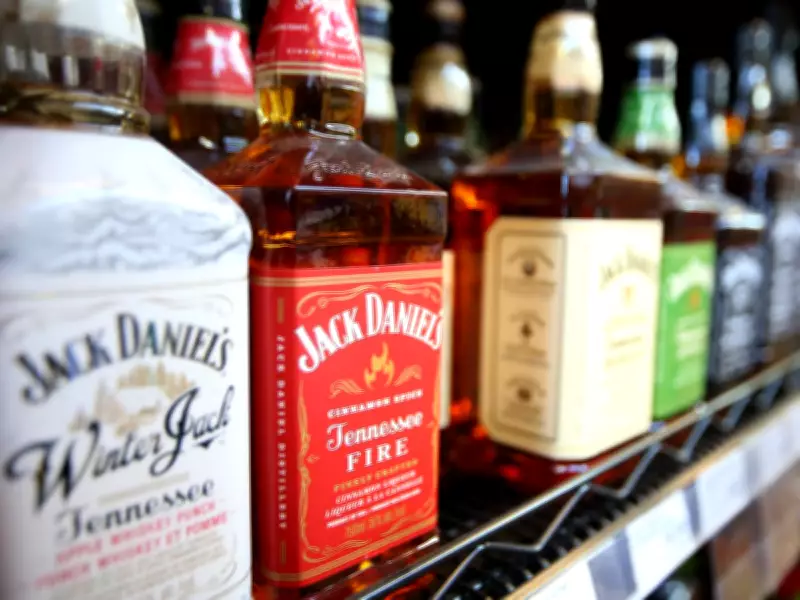
The global alcohol industry is facing a significant downturn as changing consumer habits, driven by health awareness and economic pressures, lead to reduced drinking worldwide. This shift is erasing hundreds of billions of dollars from the market value of major beer, wine, and spirits companies, prompting cost-cutting measures, executive changes, and new product launches.
Declining Consumption Trends
According to IWSR, a drinks market research firm, alcohol consumption measured by servings fell at a compound annual rate of two per cent from 2019 to 2025 across 21 countries and global duty-free retail, representing about 75 per cent of the worldwide market. This decline aligns with a global trend observed by the World Health Organization, showing falling per capita alcohol demand over the past decade. A brief spike during the COVID-19 pandemic saw consumption rise 2.3 per cent from 2020 to 2021, but it resumed its decline in 2022, dropping 2.8 per cent in 2025 compared to 2024.
Changing Drinking Patterns
People are not only drinking less but also less frequently. A global Euromonitor survey found that 23 per cent of respondents drank weekly in 2025, down from 25 per cent in 2020, with more consumers reserving alcohol for special occasions. Beer, historically a top seller, is among the worst performers, its market share eroded by ready-to-drink (RTD) cocktails like White Claw and BuzzBallz, which saw volume consumption rise two per cent in 2025. Even with favorable weather or major sporting events, beer sales remain below historical baselines, indicating long-term stagnation.

Regional Variations
The decline is particularly sharp in China, where alcohol servings fell at a compound annual rate of six per cent from 2019 to 2025. Government crackdowns on extravagance among public officials, including bans on alcohol at official events and disincentives for luxury gifting, have hurt producers of baijiu, a traditional Chinese spirit. Sichuan Swellfun Co. reported a 42 per cent decline in revenue in 2025 to about 3.04 billion yuan (US$445 million).
Industry Response
Alcohol companies are adapting by cutting costs, replacing executives, and introducing new products to appeal to health-conscious consumers. The industry is also exploring non-alcoholic alternatives and marketing strategies to counter the trend. As the shift in drinking habits appears to be a new norm, the sector faces ongoing challenges to regain momentum.