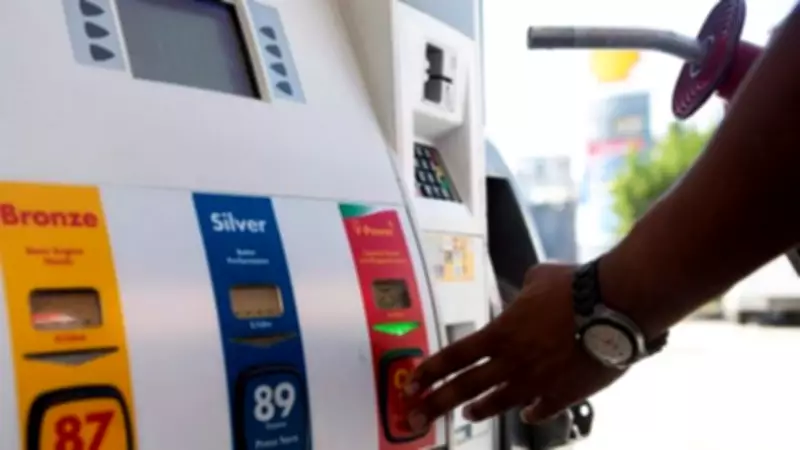
Unscheduled Gas Price Surge Strikes Prince Edward Island, Prompting Economic Worries
Prince Edward Island is facing an unexpected and significant increase in gas prices, as announced on March 15, 2026. The unscheduled hike, which took effect at 2:06 PM EDT, has caught many residents and businesses off guard, leading to widespread concern over rising fuel costs and their broader economic implications.
Details of the Price Increase
The precise figures of the gas price rise have not been fully disclosed, but sources indicate it marks a notable jump from previous rates. This adjustment comes without the typical advance notice that allows consumers to prepare, exacerbating frustrations among Islanders who rely heavily on vehicles for daily commutes and transportation needs.
Economic and Consumer Impact

The sudden increase is expected to strain household budgets, particularly for low-income families and those in rural areas where driving is essential. Local businesses, especially in sectors like transportation and delivery services, may also face higher operational costs, potentially leading to increased prices for goods and services across the province.
Broader Context and Reactions
This development occurs amid a complex national landscape, including other news such as federal funding cuts for supervised consumption sites in Ottawa and ongoing debates over energy policies. While not directly linked, the gas price hike on Prince Edward Island adds to a tapestry of economic challenges facing Canadians, from wage losses estimated at over $4.2 billion in 2025 to fluctuations in global energy markets due to international conflicts.
Expert Insights and Public Response
Economists suggest that such unscheduled increases can disrupt local economies by reducing disposable income and slowing consumer spending. Public reaction has been swift, with many Islanders expressing dismay on social media and community forums, calling for greater transparency and regulatory oversight in fuel pricing.
Looking Ahead
As Prince Edward Island navigates this sudden financial pressure, stakeholders are urging provincial authorities to consider measures to mitigate the impact, such as temporary subsidies or enhanced support programs. The situation underscores the vulnerability of regional economies to fuel price volatility and highlights the need for robust energy policies that prioritize affordability and stability.
In summary, the unscheduled gas price increase on Prince Edward Island represents more than just a spike at the pump; it is a catalyst for broader discussions on economic resilience, consumer protection, and the intricate dynamics of energy markets in an era of global uncertainty.