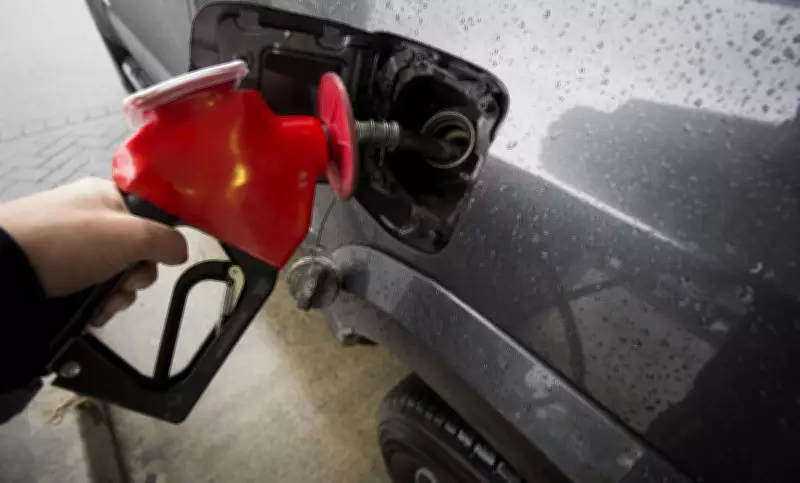
Gas prices in Canada's Maritime provinces are nearing the $2 per litre mark after the latest increase, raising concerns among drivers and business owners. The surge reflects broader trends in global oil markets and regional supply constraints.
Price Hike Details
According to industry analysts, the recent jump adds approximately 12 cents per litre over two days, pushing prices close to the symbolic threshold. This marks one of the steepest climbs in recent memory for the region.
Factors Behind the Rise
Several factors are driving the increase, including higher crude oil prices, refinery maintenance, and seasonal demand shifts. The situation is exacerbated by geopolitical tensions and supply chain disruptions affecting global fuel markets.

Impact on Consumers and Businesses
The rising cost of gasoline is hitting household budgets hard, with many residents cutting back on non-essential travel. Small businesses, particularly those reliant on transportation, are feeling the pinch as operating costs soar. Local trucking companies warn that higher fuel expenses may lead to increased prices for goods.
Regional Comparisons
While Maritime prices are climbing, they remain slightly below the national average. However, the gap is narrowing, and some stations in Nova Scotia and New Brunswick have already crossed the $2 threshold. Prince Edward Island is expected to follow suit in the coming days.
Government and Industry Response
Provincial officials are monitoring the situation but have indicated limited tools to intervene directly. Calls for tax relief or rebates have emerged, though no concrete measures have been announced. Meanwhile, fuel suppliers cite global market forces beyond their control.
Long-term Outlook
Analysts predict that prices may stabilize if refinery operations resume and crude oil supply improves. However, the transition to cleaner energy sources could keep pressure on traditional fuel costs in the long run. Consumers are advised to plan ahead and consider fuel-efficient alternatives.