

For generations, purchasing a luxury handbag or watch was seen as an investment in craftsmanship and longevity. However, a growing concern is emerging within the retail sector: some high-end products are now exhibiting a durability more commonly associated with fast fashion, falling apart far sooner than consumers expect.
The Shift from Heritage to Disposable Luxury
Historically, luxury brands built their reputations on superior materials, meticulous construction, and timeless design. Items were often repaired and passed down, embodying a philosophy of "buy less, buy better." This model is facing significant pressure. Industry analysts note that in a drive to increase production volumes and profit margins, some brands are compromising on material quality and construction techniques. The result is a product that carries a premium price tag but lacks the enduring quality that once defined the luxury segment.
This trend stands in stark contrast to the traditional values of heritage. Consumers are increasingly reporting issues like peeling leather, broken hardware, and faulty stitching on items that are only a few years old—problems once unheard of in this tier of the market.

Hermès: A Notable Exception to the Rule
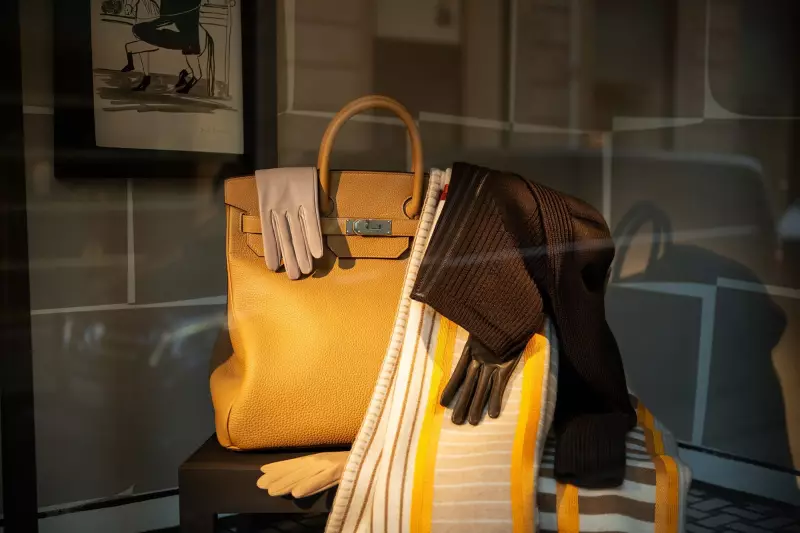
Amid this decline in perceived quality, some houses are holding firm. Hermès continues to be cited as a benchmark for maintaining high standards. As reported, its leather goods unit benefits from a highly selective business model that prioritizes scarcity and artisanal skill over mass production. This approach allows the brand to control quality meticulously and preserve its reputation for creating heirloom pieces.
The success of this model raises questions about the long-term strategy of other luxury brands that may be prioritizing short-term gains over brand equity. For discerning shoppers, particularly in markets like Toronto, Vancouver, and Montreal where luxury retail is robust, this distinction is becoming increasingly important.
Implications for Canadian Consumers and the Market
This shift presents a significant dilemma for buyers. When spending thousands of dollars on a designer item, the expectation of durability is implicit. The move towards a more disposable model erodes consumer trust and challenges the very justification for luxury pricing. It also contributes to environmental concerns, as items that cannot be repaired end up in landfills, contradicting the sustainability pledges many brands now make.
Experts suggest that informed consumers should research brand reputations for quality and after-sales service more diligently than ever. Looking for brands that offer robust repair programs can be a key indicator of a commitment to longevity. The market may see a correction, with value-driven shoppers turning towards vintage pieces or the few brands, like Hermès, that continue to champion the old-world approach to luxury—where items are truly built to last.






