With ongoing uncertainty in the Canadian job market, many job seekers are focused on how to separate themselves from the competition. However, a recent Express Employment Professionals-Harris Poll survey shows that candidates are more likely to identify what could cost them a job than the factors that improve their chances of getting hired.
What Job Seekers Say Helps Them Stand Out
Job seekers point to a wide range of ways to stand out, from refining their resumes to putting in extra effort during the application process. But when asked what actually separates them, a few factors consistently rise to the top. The most common answers lean toward proof:
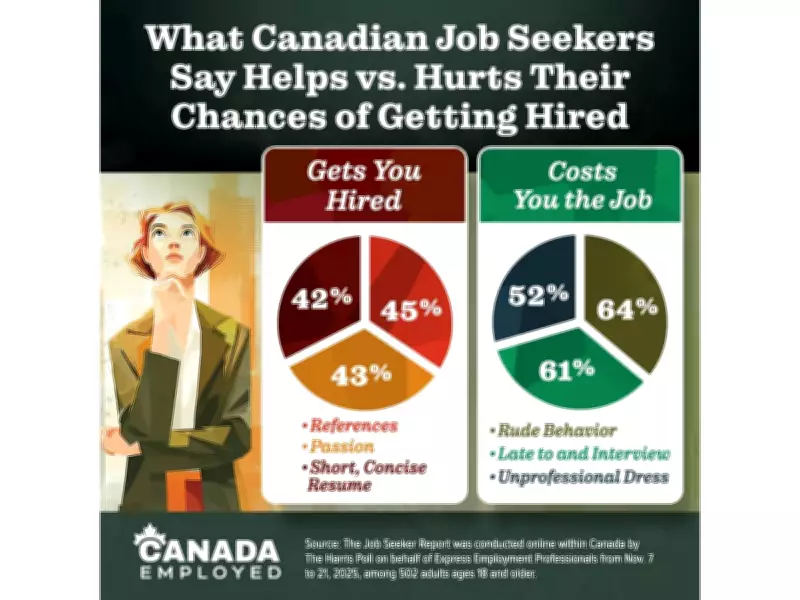
- Having references who can speak to qualifications or work: 45%
- Demonstrating passion for the role: 43%
- Showing they have researched the company: 42%
While candidates mention a variety of tactics, the top responses share a clear thread: the strongest signals are the ones that can be backed up or confirmed.

Additional ways job seekers say they try to stand out include:
- Keeping their resume short and concise: 42%
- Quantifying achievements: 39%
- Having a personal referral from someone at the company: 38%
- Including a cover letter with the application: 37%
- Having a resume optimized for applicant tracking systems and search engine optimization: 37%
- Showing creativity: 28%
- Reaching out to the company or hiring manager about application status: 25%
These responses reflect a mix of common advice and extra effort. But unlike the top drivers, they are less about what can be validated and more about how candidates present themselves, highlighting a gap between what job seekers do and what they believe carries the most weight.
What Job Seekers Say Can Cost Them the Job
What helps job seekers stand out is not always clear, but what can hurt them is. Candidates are far more aligned on dealbreakers than differentiators, and the top ones are straightforward:
- Being rude during an interview: 64%
- Being late for an interview: 61%
- Wearing unprofessional dress during an interview: 52%
From there, the list shifts to preparation and consistency, where smaller gaps or missteps can still raise concerns:
- Using unprofessional body language during an interview: 48%
- Being uninformed about the position during an interview: 47%
- Being uninformed about the company during an interview: 43%
- Having multiple jobs in a short period of time: 42%
- Having large, unexplained gaps between work experiences: 40%
- Having few or no references: 36%
Some of these concerns are showing up more often than in the past. Compared to the fall of 2023, job seekers are increasingly likely to point to unprofessional dress, unprofessional body language and frequent job changes as factors they believe could hurt their chances.
When Standing Out Goes Too Far
Even with a clear sense of what can hurt their chances, some job seekers say the pressure to get noticed can lead to stretching the truth.