

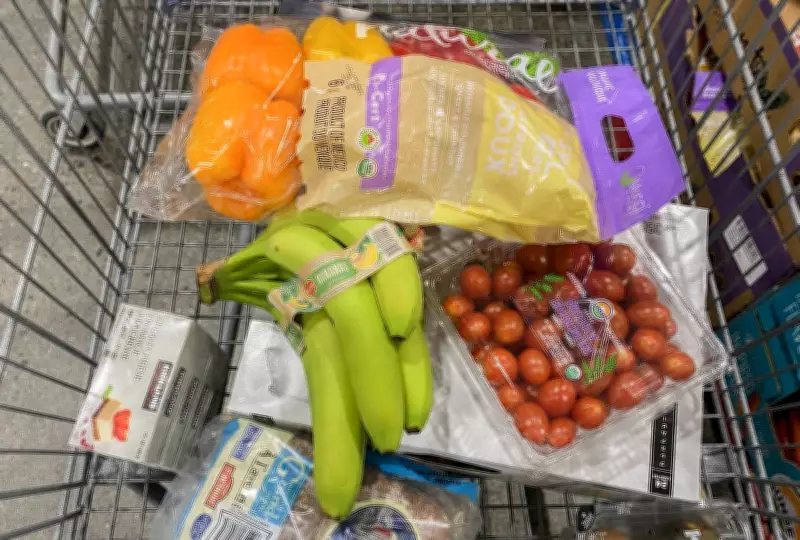
Grocery Bills Now Outrank Housing as Canadians' Leading Financial Stressor
A significant shift in the financial anxieties of Canadians has been documented in the latest survey from Nanos Research. The data indicates that the relentless rise in grocery prices has now eclipsed housing costs as the number one cost concern for households across the nation. This change underscores the profound and persistent impact of inflation on everyday living expenses, moving beyond the long-standing focus on mortgage payments and rent.
Survey Highlights a Changing Landscape of Economic Worry
The findings reveal a clear pivot in public sentiment. For years, housing affordability dominated headlines and policy discussions, but the sustained increase in food costs has pushed it to the forefront of consumer worry. This shift suggests that while housing remains a critical issue, the immediate and frequent pinch at the checkout counter is now causing greater daily financial strain for a majority of Canadians.
The survey methodology involved polling a representative sample of Canadians, capturing a broad spectrum of demographic and regional perspectives. The results are not isolated to any single province but reflect a nationwide trend, indicating that the pressure from grocery inflation is being felt from coast to coast.

Analyzing the Drivers Behind the Grocery Price Surge
Several interconnected factors are contributing to this heightened concern over food prices. Global supply chain disruptions, influenced by geopolitical events and climate-related impacts on agriculture, continue to play a role. Domestically, increased production costs for farmers and food processors, including expenses for fuel, labor, and packaging, are being passed down to consumers.
Furthermore, competitive dynamics within the Canadian grocery retail sector are under increased scrutiny, with calls for more transparency in pricing. The cumulative effect of these factors means that the average household's grocery bill has seen consistent, noticeable increases, directly impacting monthly budgeting and discretionary spending.
Broader Implications for Household Finances and Policy
This new ranking of cost concerns has important implications:
- Budget Reallocation: Families may be forced to cut back in other areas, such as entertainment, savings, or even healthcare, to afford essential groceries.
- Increased Financial Vulnerability: For low and fixed-income households, the rising cost of food exacerbates existing financial insecurity and can contribute to higher rates of food insecurity.
- Policy Pressure: The survey results are likely to intensify calls for government intervention. This could include renewed examinations of grocery code of conduct proposals, competition policy reviews, or targeted fiscal measures to alleviate food cost pressures.
The Nanos data serves as a stark economic indicator, moving the conversation beyond theoretical inflation rates to the tangible, prioritized worries of Canadian consumers. As grocery prices maintain their upward trajectory, they are reshaping the hierarchy of financial anxieties and demanding a responsive approach from both policymakers and industry leaders.






