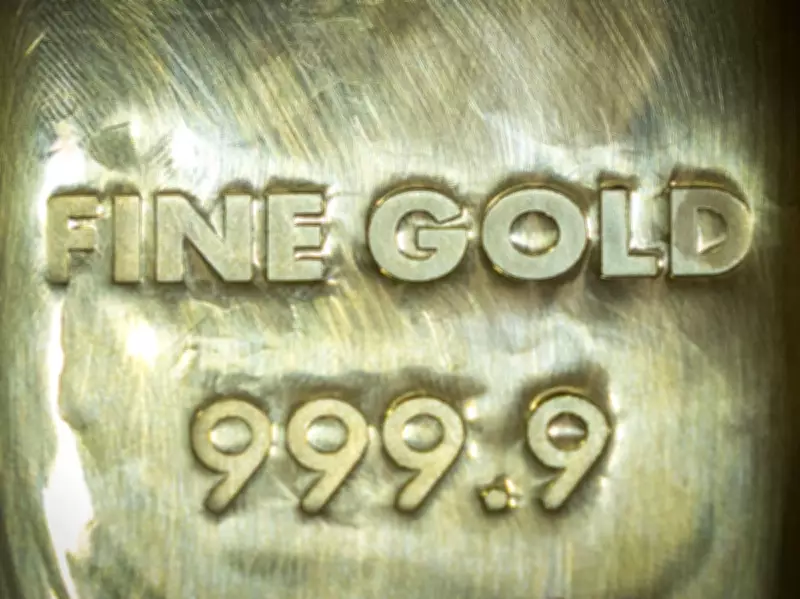
Gold prices declined on Wednesday as fresh U.S. data revealed a resurgence in inflation, strengthening the case for the Federal Reserve to maintain elevated interest rates for a prolonged period. Spot gold fell 0.6 percent to US$4,688.16 per ounce as of 11:30 a.m. in New York.
The drop came after the U.S. producer price index (PPI) rose six percent from a year earlier, surpassing all estimates in a Bloomberg survey of economists. The monthly gain was the sharpest since 2022, while a core measure excluding food and energy increased 5.2 percent from April 2025, marking the biggest advance in over three years. The inflation surge was partly attributed to higher freight transportation prices stemming from the ongoing conflict in the Middle East.
Treasury 10-year yields moved toward their highest levels since July, and traders increased their bets on a hawkish Fed stance. Higher interest rates are typically negative for gold, which does not pay interest, as they increase the opportunity cost of holding the metal.

Market Reaction and Trading Range
Gold has been trading within a narrow range recently, as investors weigh inflation risks that could keep rates high against growth concerns that might prompt easing as geopolitical tensions persist. The metal initially fell sharply during the early stages of the Iran conflict but has since stabilized.
Meanwhile, India, the world's second-largest gold consumer, raised import tariffs on gold and silver to approximately 15 percent from six percent. The unexpected move is part of the nation's efforts to defend its currency and bolster foreign-exchange reserves.
Silver Surges on Chinese Demand
Silver prices surged to their highest level in over two months, on track for a seventh consecutive gain, which would be the longest winning streak since December. According to TD Securities, the market has been supported by renewed buying activity in China. Senior commodity strategist Ryan McKay noted that top traders on the Shanghai Futures Exchange have been steady buyers of silver over the past month.
Prices in China have remained higher than overseas markets, and at times it has been profitable to import silver into the country in recent weeks, indicating solid demand. McKay added that Chinese buying, rather than fund flows, may now be helping support prices.
Other Precious Metals Performance
Silver rose 2.1 percent to US$88.24, having gained 19 percent in May alone. Platinum and palladium also advanced. The Bloomberg Dollar Spot Index edged up 0.1 percent, adding pressure on gold.
The precious metals market continues to be influenced by inflation data, central bank policies, and geopolitical developments, with investors closely watching for further signals from the Fed.