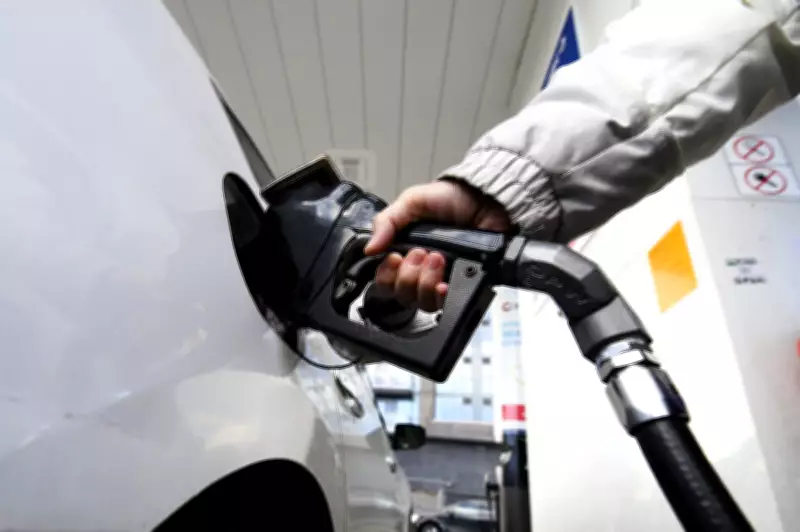
Gas prices are poised to remain high all summer, a trend that is upending budgets and travel plans for many Canadians. According to experts, the cost of fuel shows no sign of dropping significantly in the coming months, driven by a combination of global supply constraints, refinery issues, and seasonal demand.
Record Highs and Ongoing Strain
In recent weeks, drivers across the country have faced sticker shock at the pumps, with prices in some regions reaching record levels. The average price for a litre of regular gasoline in Canada has surged past $2.00 in many urban centers, including Toronto, Vancouver, and Montreal. This marks a significant increase from last year, when prices were already considered high.
Economists warn that sustained high fuel costs will have a ripple effect on the broader economy. Increased transportation costs are likely to push up prices for goods and services, from groceries to airline tickets. For households already grappling with inflation, this adds another layer of financial pressure.

Impact on Summer Travel
The summer travel season is traditionally a time for road trips and vacations, but high gas prices are forcing many to reconsider their plans. A recent survey by the Canadian Automobile Association (CAA) found that nearly 40% of Canadians are planning to reduce their driving this summer due to fuel costs. Some are opting for closer destinations or alternative modes of transportation, while others are canceling trips altogether.
Tourism operators in popular destinations are also feeling the pinch. In British Columbia's Okanagan region, for example, hotel bookings are down compared to previous years, as visitors from Alberta and other provinces weigh the cost of the drive.
What's Driving the Prices?
Several factors are contributing to the sustained high prices. On the global front, the ongoing conflict in Ukraine continues to disrupt oil supplies, while OPEC+ production cuts have limited output. Domestically, refinery maintenance and shutdowns in the United States and Canada have reduced capacity, leading to tighter supply. Additionally, the summer driving season typically sees increased demand for gasoline, which puts upward pressure on prices.
Experts also point to the transition to summer-blend gasoline, which is more expensive to produce, as a seasonal factor. The weaker Canadian dollar relative to the U.S. dollar further exacerbates costs, since oil is priced in U.S. dollars.
Government Response
In response to the crisis, some provincial governments have taken steps to provide relief. British Columbia recently announced a temporary cut to its fuel tax, while Ontario and Alberta have considered similar measures. However, federal officials have so far ruled out a national gas tax holiday, citing the need to fund infrastructure and climate initiatives.
Prime Minister Mark Carney, who is set to make an energy announcement alongside Alberta Premier Danielle Smith, has hinted at potential measures to address affordability. The federal government is also exploring ways to accelerate the transition to electric vehicles, though critics argue that such policies will take years to have a meaningful impact.
Looking Ahead
As summer progresses, analysts predict that prices may remain elevated, with no significant relief expected until after Labour Day. Some forecast that prices could ease slightly if global tensions de-escalate or if refinery output increases, but the outlook remains uncertain.
For now, Canadians are advised to budget carefully for fuel costs and consider carpooling, public transit, or other alternatives to reduce expenses. The situation underscores the broader challenges of energy affordability in an era of geopolitical instability and climate change.