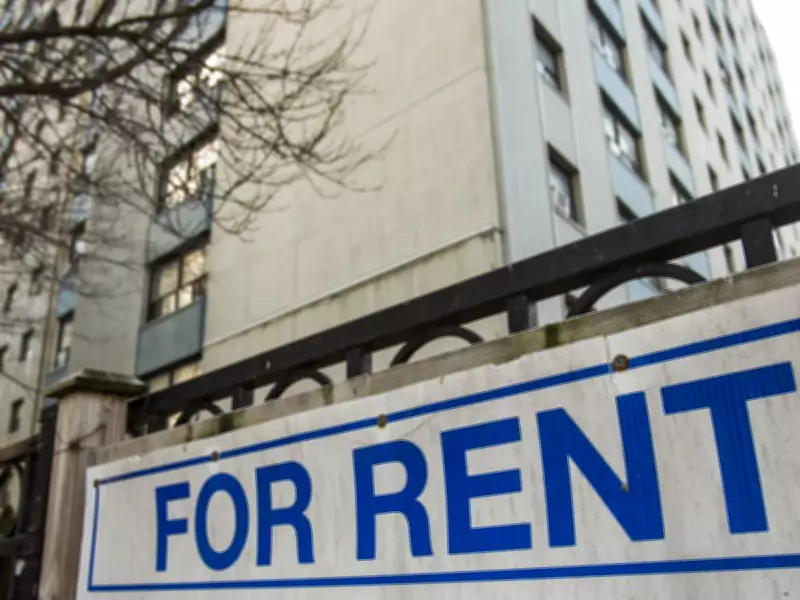
With rising costs keeping more millennials living with their parents, could falling rents be the boost they need to leave the family home? The latest data from Statistics Canada, released this month, found that in 2021, the share of millennials aged 25 to 39 living with parents was 16.3 per cent, compared with 8.2 per cent of boomers of the same age in 1991. The federal agency said the trend has occurred gradually and is common among the large cities studied.
“This steady shift cannot simply be attributed to more recent affordability challenges in some of Canada’s largest cities. Later family formation and longer educational careers, partly associated with life stretching, have likely played into this phenomenon, as have distinctive cultural patterns across different demographic groups,” said Statistics Canada in its study.
For years, prices had risen steeply in Canada’s largest cities, for rent and for owning. And there was a pandemic thrown into the middle of it, which made living in a spacious home far more attractive than a starter condominium or a cramped rental unit. But now, market conditions might be favourable to earlier launches for young Canadians.

Staying in the family home to save for one of your own makes sense financially. Your parents have the empty rooms, and they are probably never going to downsize until they face mobility issues. But there is an interim solution that Canadians have used for decades and may again make more sense: renting.
Though renting has become ridiculously expensive in most parts of the country, with apartment construction reaching levels not seen in decades and some pauses in immigration already underway, some cracks are appearing and driving rents down. Asking rents have dropped year over year for 19 months across all apartment types in Canada, reaching $2,027 in April, according to online rental marketplace rentals.ca. That’s a steep decline from a peak of $2,188 reached in April 2024, but since hitting a low of $1,662 in April 2021 during COVID-19, average rents are still up 21.9 percent.
Ben Myers, president and owner of Bullpen Research & Consulting Inc., published a recent report that showed some softening in the higher end of the market he studied. This effect has made its way across the market, he added. “It is having an impact on the lower end of the market. There is filtering going on,” said Myers. “Someone who had $2,500 to spend might have been able to afford a 500-square-foot apartment, and now maybe they can look at a 650-square-foot apartment in a building five years newer.”
Myers said that type of decline works its way down to even the bottom of the market. Still, a key issue is the employment picture, so renters feel comfortable making big life decisions such as signing a lease. “It does drive people staying longer with mom and dad or delaying kids because they can’t afford the housing,” he said.