

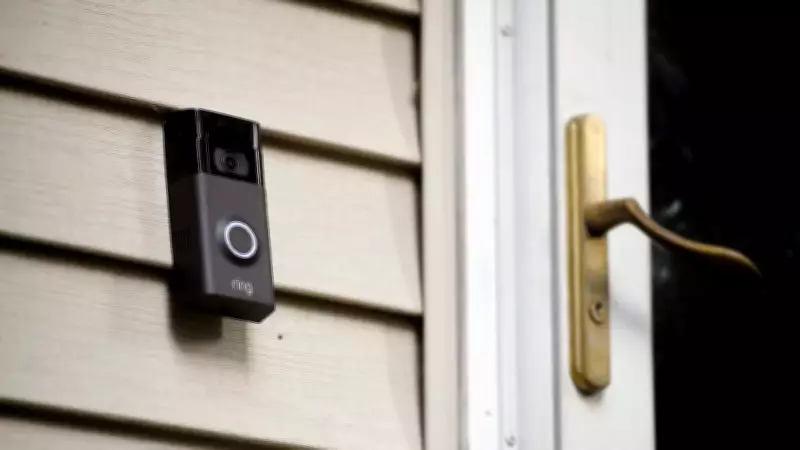
As home security technology advances, doorbell cameras have become a popular choice for homeowners seeking to enhance safety and monitor their properties. However, a critical decision awaits buyers: should they opt for a subscription-based service or rely on local storage? This guide breaks down the key factors to consider, helping consumers make an informed choice that aligns with their needs and budget.
Understanding the Options
Doorbell cameras typically offer two primary storage methods. Subscription services, like those provided by brands such as Ring, store video footage in the cloud for a monthly or annual fee. In contrast, local storage options save recordings directly to a device, such as a microSD card or a network-attached storage (NAS) system, often without recurring costs.
Pros and Cons of Subscription Services
Advantages: Subscription services often include advanced features like extended video history, AI-powered alerts for people or packages, and seamless integration with other smart home devices. They also provide remote access to footage from anywhere via an app, which can be crucial for real-time monitoring.

Drawbacks: The ongoing fees can add up over time, potentially making this option more expensive in the long run. Additionally, reliance on cloud storage means that internet outages or service disruptions could temporarily limit access to recordings, posing a security risk.
Benefits and Limitations of Local Storage
Benefits: Local storage eliminates monthly fees, offering a one-time purchase cost that may be more economical. It also ensures data privacy, as footage is stored on-premises rather than on third-party servers, reducing the risk of hacking or data breaches. For those in areas with unreliable internet, local storage provides a dependable solution without connectivity dependencies.
Limitations: However, local storage may lack the advanced features of subscription plans, such as sophisticated motion detection or cloud backup. Storage capacity is limited by the physical device, requiring manual management to avoid running out of space. Retrieving footage remotely can also be more complex, often necessitating additional setup for remote access.
Key Considerations for Buyers
When deciding between subscription and local storage, consumers should evaluate several factors:
- Budget: Assess upfront costs versus long-term expenses to determine which option fits financial constraints.
- Security Needs: Consider the level of monitoring required; for high-security areas, subscription services with continuous cloud recording might be preferable.
- Technical Proficiency: Local storage may require more technical knowledge to set up and maintain, whereas subscription services are often user-friendly with minimal setup.
- Privacy Concerns: If data privacy is a priority, local storage offers greater control over personal information.
- Internet Reliability: In regions with spotty connectivity, local storage ensures uninterrupted recording capabilities.
By weighing these aspects, homeowners can select a doorbell camera that not only enhances security but also aligns with their lifestyle and preferences. As the market evolves, staying informed about the latest technologies and trends will help consumers navigate this growing segment of home security effectively.






