Koho Financial Inc. reports that adoption of its 'pay later' feature has more than doubled, rising 109% year-over-year, as Canadians increasingly turn to the buy now, pay later (BNPL) option to cover essential purchases like groceries amid persistent cost-of-living increases. The Toronto-based fintech said that among all its products, 'Pay Later' recorded the strongest adoption growth by a wide margin, climbing from 0.82% of users in May 2025 to 1.71% in May 2026, with the largest spike during the holiday grocery season.
Grocery spending climbs despite cost-cutting efforts
Koho's report, based on data from more than 173,000 members between May 2025 and May 2026, found that average grocery spending per user increased approximately 5% year-over-year, from $261 to $275 per month. This rise was driven by both larger baskets and more frequent trips. The average basket size grew 2.4% to $45.65 per transaction, while trip frequency increased 2.9% to 6.03 trips per month.
“One of the most interesting findings is that affordability pressures are changing behaviour, but not always in predictable ways,” said Faye Lucas, Koho's head of consumer trust. “The findings make it clear that grocery costs are rising faster than Canadians can adapt. People are changing where they shop, how often they go, and how often they pay, and yet the spending keeps climbing.”

Discount grocers gain as shoppers seek savings
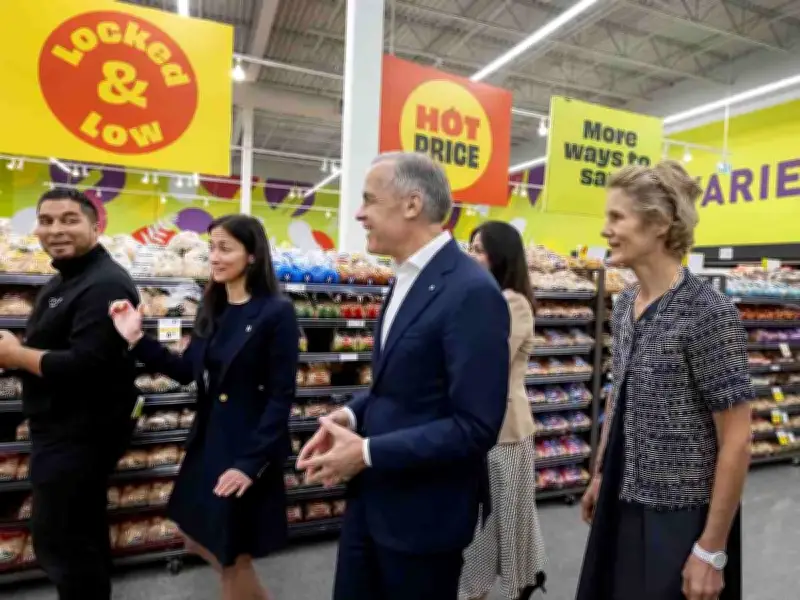
The report indicates that Canadian shoppers are shifting toward discount grocery retailers such as No Frills and Giant Tiger. Trips to discount grocers increased 4.1% year-over-year, while premium grocery retailer trips rose just 0.3%. Discount basket sizes grew 1.6%, compared to 0.9% at premium stores. This trend underscores a deliberate effort to manage food budgets, even as total grocery spending continues to rise.
“Groceries are one of the most persistent financial pressures Canadians face,” said Koho chief executive Daniel Eberhard in a news release.
Other household spending also rises
Beyond groceries, spending on food delivery increased 9% year-over-year, from $215 to $235 per month across platforms like DoorDash, Uber Eats, and SkipTheDishes. Spending on eating and drinking out rose 4%, while retail spending increased 6%. The data highlights broad inflationary pressures on household budgets.
Koho's financial tools are used by more than 2.5 million people across Canada. The report also noted that 'pay later' adoption outpaced all other Koho products, while credit building and savings interest feature adoption declined over the same period. A separate longitudinal cohort of 17,400 members was used to validate year-over-year spending trends.