Financial Strain Forces Canadians to Make Difficult Choices
A concerning new trend has emerged across Canada as households grapple with the rising cost of living. According to recent data from Nanos Research, many Canadians are now being forced to make impossible choices between paying essential bills and putting food on the table.
The study reveals that a significant number of Canadian families are prioritizing grocery purchases over utility payments, credit card bills, and other financial obligations. This difficult decision reflects the growing pressure on household budgets as food prices continue to outpace income growth.
The Reality of Grocery Store Pressures
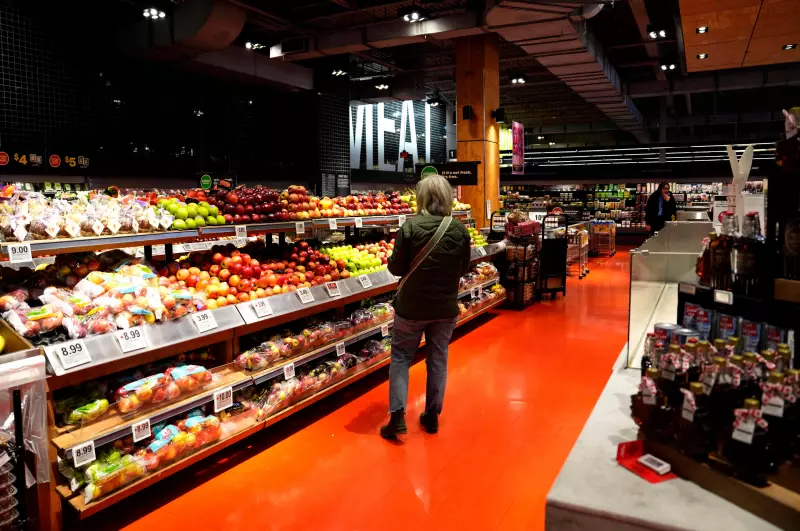
The financial strain is particularly evident at grocery stores across the country. As captured in recent observations from Ottawa, shoppers are spending more time comparing prices and making difficult decisions about what they can afford to purchase.

This trend isn't limited to any single region or demographic. From major urban centers to smaller communities, Canadians from various income brackets are feeling the pinch. The situation has become so dire that some families report skipping multiple bill payments each month just to maintain basic nutritional needs.
Broader Economic Implications
This shift in spending priorities signals deeper economic challenges facing Canadian households. When families consistently choose groceries over other financial obligations, it creates a ripple effect throughout the economy.
Utility companies may see increased delinquency rates, credit scores could suffer, and long-term financial stability becomes compromised. The Nanos data suggests this isn't an isolated problem but rather a growing national concern that requires attention from both policymakers and community support organizations.
As Canadians continue to navigate these challenging economic conditions, the fundamental question remains: how long can households sustain this pattern of financial triage before more severe consequences emerge?