A recent survey from TD suggests that Canadians are taking a second look at summer spending as pressure on the pocketbook continues to shape household budgets and travel plans. The report indicates that 35% of Canadians plan to spend less this summer, while 44% say higher fuel costs are influencing travel decisions. Notably, 24% of Gen Z Canadians—the highest among all generations—plan to increase their summer spending, driven largely by social pressure. Additionally, 79% of Canadians plan to support local or Canadian businesses, with 48% saying it is a stronger priority than last summer.
High Gas Prices Impact Travel Plans
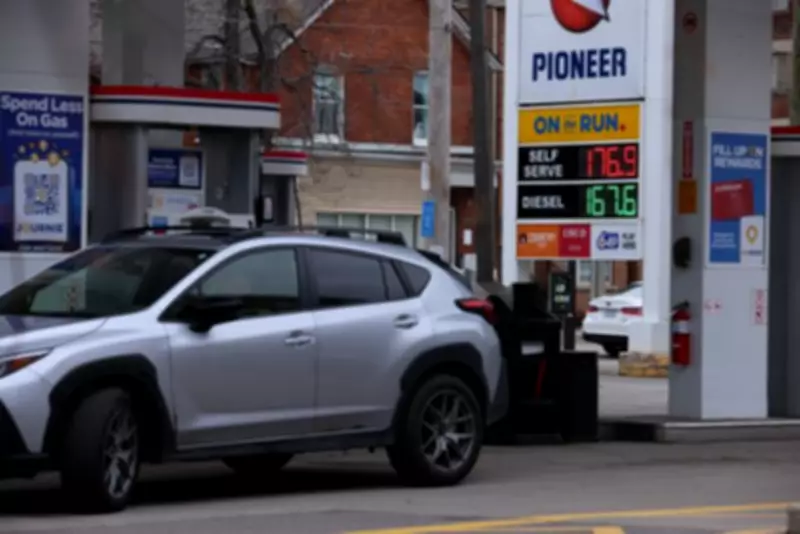
Gas prices across the region continue to set records, driven upward by the war in Iran, shipping issues in the Strait of Hormuz, and the arrival of summer-blend gasolines. Summer fuel blends typically add 10 cents per litre at the pump, with increases traditionally hitting in mid-April. Dan McTeague, president of Canadians for Affordable Energy, warns that gas prices could reach $2 per litre. Currently, across the Greater Toronto Area, gas prices average about 182.9 cents per litre, compared to 122.9 to 130.9 cents per litre in January.
Financial Trade-Offs Become Necessary
The survey also highlights how cost pressures are pushing Canadians to make financial trade-offs. Among those cutting back this summer, 40% cite increasing transportation costs as a key factor, while 62% are redirecting spending towards everyday needs such as groceries, fuel, and housing. Sumaiya Bhula, Senior Manager of Saving and Investing Journey at TD, advises: “Summer comes with a lot of expectations and spending can add up quickly. Simple steps like setting a realistic budget, tracking expenses, and prioritizing what matters most can help Canadians stay in control while still enjoying the season.”

Food Prices Add to Consumer Strain
Although not covered in the TD study, food prices are also affecting consumer spending. In February, the Bank of Canada published an article explaining why food prices continue to skyrocket. Since 2022, grocery prices have risen by about 22%, while other consumer prices have increased by an average of 13%. In 2025, food inflation—the year-over-year increase in prices for food purchased at stores—reached 5% in December, the highest since late 2023. Rising food prices have a large and immediate effect on households, which spend around 11% of their budget on groceries, and on total inflation.