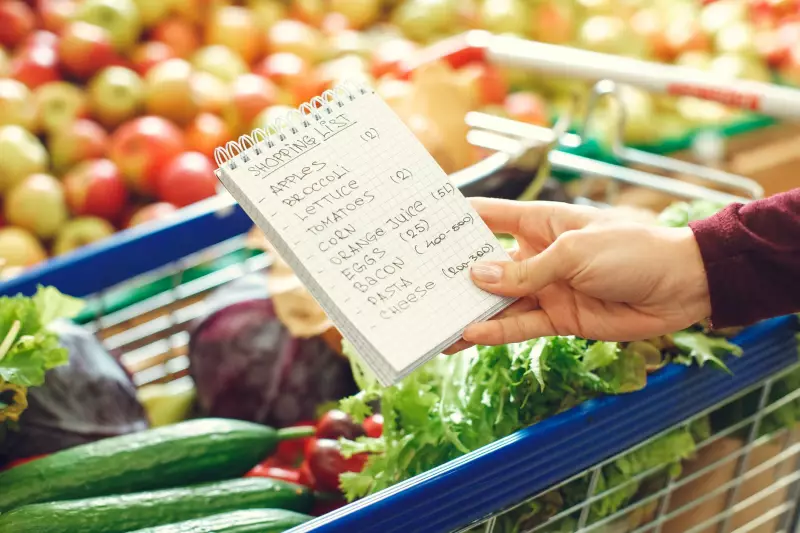
While Canadian families continue to grapple with stubbornly high grocery bills, the recently unveiled federal budget appears to have left kitchen table economics on the cutting room floor. Despite widespread anxiety about food affordability, the government's financial plan offers little concrete relief for what has become a primary concern for households across the nation.
The Missing Ingredient in Budget 2024
The budget document, spanning hundreds of pages, dedicates significant attention to housing initiatives and economic growth strategies. However, when it comes to directly addressing the grocery price crisis that has squeezed household budgets for nearly two years, the proposals fall notably short. This omission is particularly striking given that food inflation remains well above the Bank of Canada's overall inflation target.
What the Budget Does Contain
While grocery-specific measures are scarce, the budget does include some provisions that indirectly affect food affordability:

- Competition law reforms aimed at preventing anti-competitive mergers
- Investments in agricultural research and food production efficiency
- General affordability measures that could provide some indirect relief
However, these measures lack the immediate impact that struggling families need when facing weekly grocery store receipts that continue to climb.
The Political Cost of Overlooking Groceries
The government's approach risks alienating voters who have identified food costs as one of their top financial concerns. With many Canadians reporting they've changed their shopping habits, reduced quality, or cut back on certain foods entirely, the budget's failure to directly tackle this issue represents a significant political calculation.
Industry Response and Consumer Reality
Food industry analysts note that while some food categories have seen price moderation, many staples remain significantly more expensive than pre-pandemic levels. The budget's indirect approach to food affordability contrasts sharply with the direct financial pressure consumers experience every time they visit the supermarket.
Looking Beyond the Budget
Without substantial government intervention specifically targeting grocery affordability, Canadian families may need to wait for broader economic forces to bring relief. This could include improved crop yields, stabilized supply chains, or more competitive pressure within the grocery retail sector.
The budget's approach suggests the government is betting on these external factors to eventually ease the burden on consumers, rather than implementing direct measures to accelerate price stabilization in the food sector.
The Bottom Line for Canadian Shoppers
For now, Canadian consumers searching for budget relief at the grocery checkout will find little comfort in the federal government's latest financial plan. The document that outlines the nation's fiscal priorities for the coming year has largely bypassed one of the most pressing concerns in Canadian households today.