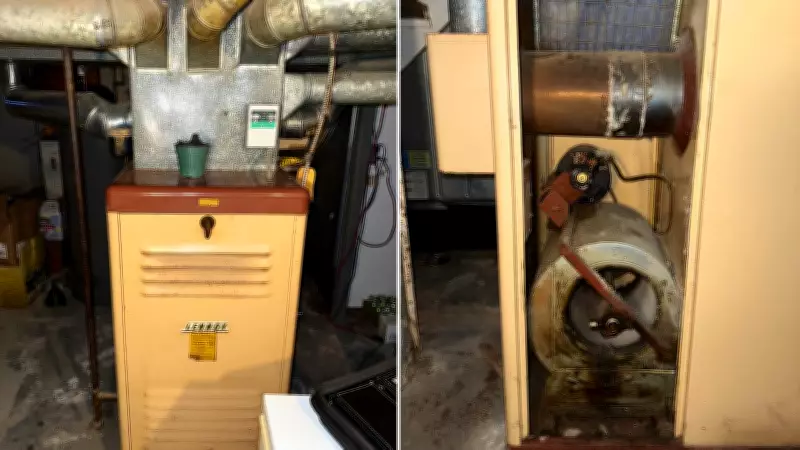
In an era where smart technology and energy efficiency dominate the appliance market, a remarkable story from Ontario challenges the notion that newer always means better. A local man's furnace, astonishingly still operational after 69 years of service, has recently won a longevity contest, sparking a broader conversation about product durability in today's consumer landscape.
The Timeless Furnace: A Testament to Endurance
The furnace, installed in the 1950s, has outlasted countless modern models, functioning reliably through decades of harsh Canadian winters. Its victory in the contest underscores a growing sentiment among consumers: "They don't make them like they used to." This phrase, often uttered with nostalgia, now carries weight as people question whether advancements in technology come at the cost of longevity.
Modern Appliances: Efficiency vs. Durability
Many contemporary appliances are equipped with sophisticated technology designed to enhance efficiency and connectivity. From smart thermostats to energy-saving modes, these features promise reduced utility bills and environmental impact. However, as this Ontario case illustrates, such innovations do not necessarily translate to longer lifespans. Experts point to factors like planned obsolescence, complex electronics prone to failure, and cheaper manufacturing materials as potential reasons why newer products may not endure as long as their predecessors.

Consumer advocates are raising alarms, urging buyers to consider durability alongside efficiency when making purchases. The story of this 69-year-old furnace serves as a poignant reminder that reliability can be just as valuable as cutting-edge features, especially in essential household items like heating systems.
Implications for the Industry and Buyers
This incident has prompted discussions about manufacturing standards and consumer expectations. While energy efficiency is crucial for sustainability and cost savings, the longevity contest winner highlights a demand for products that balance innovation with robustness. Manufacturers may face increasing pressure to design appliances that not only perform efficiently but also stand the test of time, reducing waste and saving consumers money in the long run.
For homeowners, the takeaway is clear: when evaluating appliances, it's wise to research both efficiency ratings and durability reviews. Investing in a product that lasts decades, like this Ontario furnace, can lead to significant savings and fewer replacements over the years, despite potentially higher upfront costs.
As technology continues to evolve, stories like this remind us that sometimes, the old ways still have valuable lessons to teach about quality and endurance in an ever-changing market.