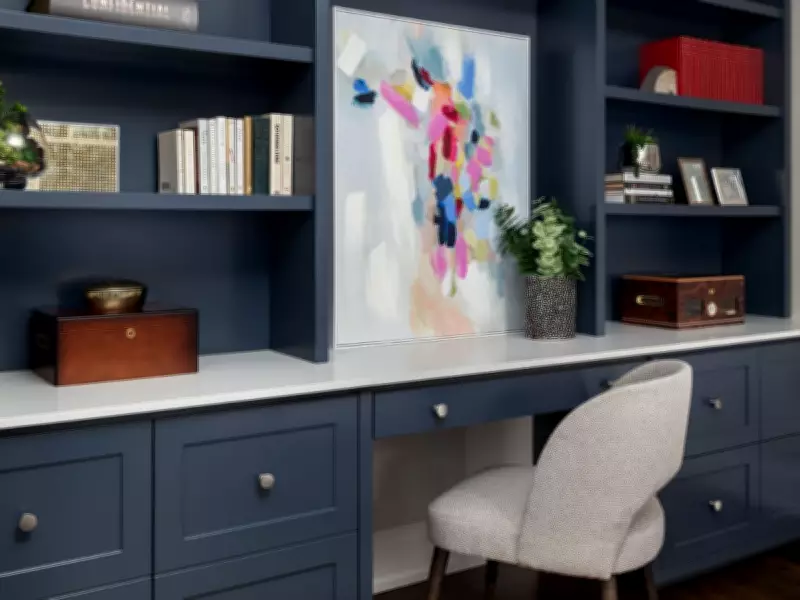
A well-designed home office significantly influences productivity, creativity, and overall comfort. If your current space lacks inspiration, it may be time for an update.
Functional and Inspiring Workspaces
Jessica Cinnamon, principal designer and founder of Toronto-based Jessica Cinnamon Design Inc., emphasizes that a thoughtfully designed workspace directly impacts how you think. "When a space is functional, it removes small daily frustrations like clutter, poor lighting, or uncomfortable seating. When it is inspiring, it encourages creativity and focus. The balance of both is what you should strive for."
Earl Ducharme, president and managing director of Häfele Canada, notes that many home offices began as quick solutions. "Today, with hybrid work firmly part of everyday life, that expectation has shifted. A home office needs to stay organized with minimal effort, support focus, and feel comfortable to use for extended periods."

Creating a Space That Works
Cinnamon advises thinking about how the space will function before focusing on aesthetics. "Place your desk where you can benefit from natural light, but not where it hits your screen directly. Pay attention to how you move through the space, even if it's just a corner. You should be able to reach what you need without constantly shifting things around. When the layout feels easy and open, the whole space works better."
Choosing the right desk and chair is crucial. "Scale matters most here. A desk that's too small quickly becomes cluttered, while one that's too large can take over the room," Cinnamon says. "You want something that holds your essentials comfortably without crowding you. The chair is just as important. It needs to support you properly, but it can still feel like it belongs in your home. There are great options now that balance comfort with a softer, more residential look."
Warmth and Integration
Home offices are shifting away from stark and minimal designs. Cinnamon observes that spaces feel warmer, more layered, and more connected to the rest of the home. "The goal is to create something that feels lived in and comfortable, not separate or overly corporate. At the end of the day, your office and workspace should support how you want to feel when you sit down. It doesn't need to be large or perfectly styled, but it should feel considered."
Adding texture through textiles, wood, or natural materials helps soften the space and makes it more inviting. Ducharme notes a clear move away from bulky desks and visible storage toward integrated solutions. "Clean layouts, built-in shelving, and multifunctional work areas allow the space to function efficiently while still feeling connected to the rest of the home."
Practical Tips for a Better Home Office
- Maximize natural light: Position your desk near a window but avoid direct glare on the screen.
- Prioritize ergonomics: Invest in a supportive chair and a desk at the right height.
- Reduce clutter: Use built-in storage or multifunctional furniture to keep essentials within reach but out of sight.
- Add personal touches: Incorporate meaningful pieces that inspire you, such as artwork or plants.
- Consider texture: Use textiles, wood, or natural materials to create a warm and inviting atmosphere.
Ultimately, a well-designed home office supports your workflow and enhances your well-being. By focusing on both function and inspiration, you can create a space that fosters productivity and comfort.