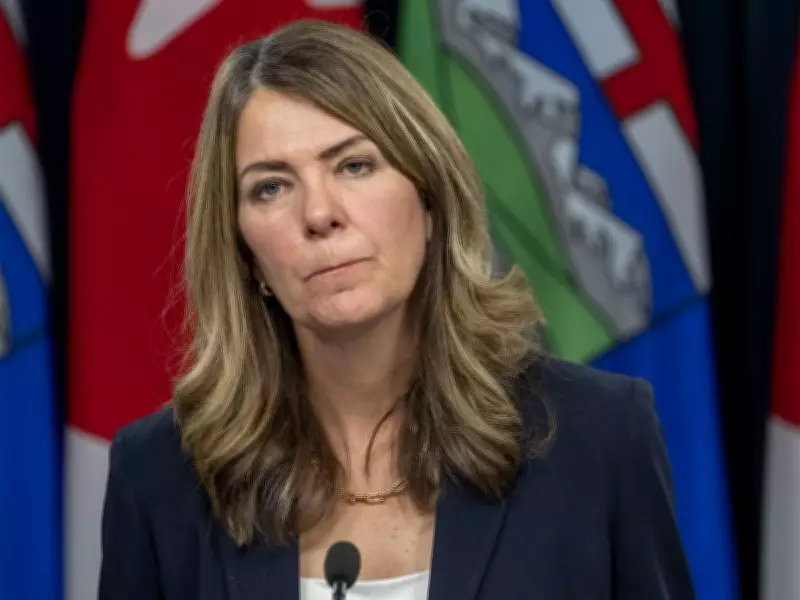
Premier Danielle Smith has expressed optimism that Indigenous communities will support a proposed pipeline from Alberta to the British Columbia coast, a project made possible through a recent agreement with the federal government.
Speaking at the Calgary Chamber of Commerce on Thursday, Smith emphasized that Indigenous participation will be crucial to advancing the proposal. While the exact route is yet to be determined, she stated that engaging First Nations is essential.
Timeline and Economic Benefits
The province aims to submit a proposal by Canada Day, with design and construction potentially beginning as early as September 2027. Smith acknowledged the tight timeline but expressed confidence that the economic benefits would sway Indigenous communities.

"Let's say that the First Nations communities own a 30 per cent stake in the pipeline, and let's say that the revenues generated in tolls is $1 billion per year," she said. "That is an extraordinary amount of money for some of these communities."
Engagement and Collaboration
Smith also plans to involve Indigenous companies in planning and construction, ensuring environmental and cultural sensitivity while sharing economic benefits. "We've engaged with the Indigenous leadership of both Alberta and British Columbia to assist us in helping make those connections and opportunities to improve the benefits," she said.
Trans Mountain CAO Jennifer Pierce echoed the need for Indigenous collaboration and B.C. government buy-in. "It's really important we put our lens on that's not so Alberta-centric," she said. "It is going to take the trilateral approach to get this done between Canada, Alberta and British Columbia, and it is going to take meaningful consultation with First Nations."
Challenges and Investment
Steven Kroeker, CIO of Alberta Indigenous Opportunities Corp., noted that many First Nations lack the cash for early investment. Pierce added that Indigenous investment may not occur until a substantial commercialization date, and not all Nations will want to be owners. "They're not coming in at the beginning," she said. "You want them to express interest in being an owner at the get-go, because you want that as part of their alignment and agreement to be supportive of the project."
Pierce also highlighted that British Columbia is mostly non-treaty, meaning a one-size-fits-all approach may not work. The memorandum of understanding with Ottawa is a "fantastic first step," but earning trust remains a challenge. "We have to do it with First Nations that want us in their backyard," she said.