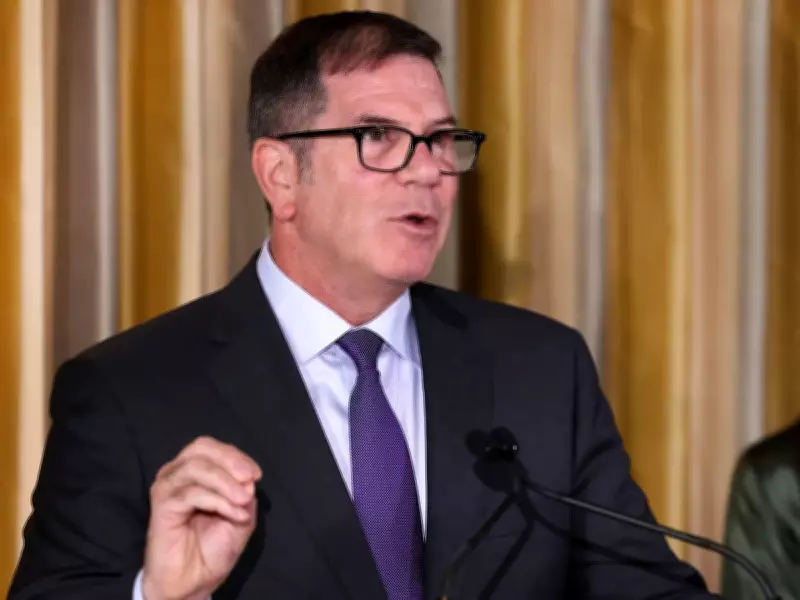
British Columbia's 18 existing mines are primarily located in rural regions, but a new economic analysis reveals they contributed $3.5 billion to the urban economies of Metro Vancouver and Vancouver Island in 2024. The Mining Association of B.C. released the analysis on Tuesday, and its CEO, Michael Goehring, emphasized the findings during a speech to the Greater Vancouver Board of Trade.
Urban Benefits of Mining
Goehring noted that many people in urban British Columbia view the mining sector as distant and disconnected from their lives. However, the analysis shows that 22% of the jobs supported by B.C.'s mines—approximately 16,000 positions—are located in Metro Vancouver or Vancouver Island. “It’s important that British Columbians, folks who live in Metro Vancouver, understand and know that,” Goehring said.
He also stressed that urban areas would benefit proportionally from an impending boom in the industry, especially as the overall economy struggles. “One new mine in the province will generate, I think, $1.6 billion in GDP in the Lower Mainland and several thousand jobs,” Goehring added. “I think it will surprise most people.”

Call for Streamlined Permitting
During his seventh annual address to the business group, Goehring urged the provincial government to improve its review and permitting processes for new mines. He highlighted the need to address uncertainty arising from legal challenges under the Declaration of Rights of Indigenous Peoples Act (DRIPA).
Goehring's comments came a day after news broke that U.S. Indigenous groups in Washington State and Alaska plan to use DRIPA in cross-border challenges against B.C. projects, including Skeena Resources’ Eskay Creek mine revitalization. Conservative Indigenous Relations critic Scott McInnis described the move as a “sovereignty crisis” that Premier David Eby and Attorney-General Niki Sharma must resolve.
While Goehring did not offer specific solutions, he noted that “the uncertainty is unsettling, it’s a significant concern, particularly if you are early on the development curve.” He suggested that increased government funding for First Nations capacity building in review and permitting processes could help build trust and support economic reconciliation. “I don’t think anybody disagrees with the concept of reconciliation. It’s not about that. It’s about how it’s being done,” Goehring concluded.