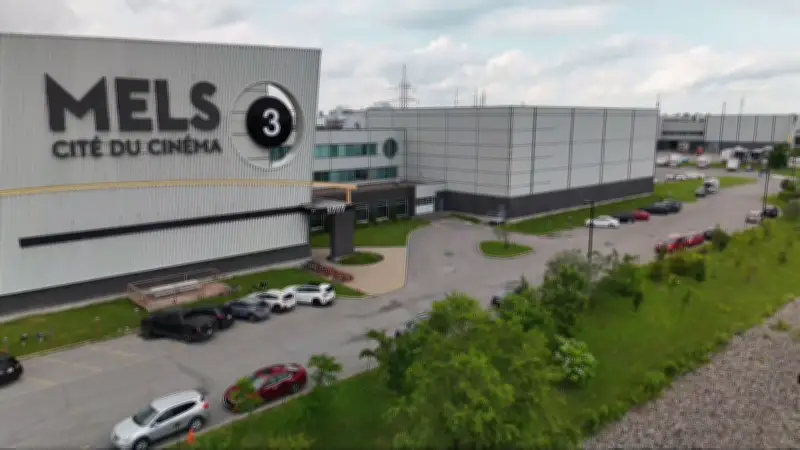
MELS, one of Montreal's largest film production laboratories, announced it will close its doors, with the local audiovisual sector described as being in crisis. The closure, reported by Daniel J. Rowe on June 28, 2026, will result in the loss of dozens of jobs and marks a significant blow to Quebec's film industry.
Details of the Closure
MELS has been a cornerstone of Montreal's film production ecosystem for decades, providing post-production, visual effects, and sound services. The company cited unsustainable financial pressures and a shifting industry landscape as reasons for the shutdown. According to sources familiar with the decision, the lab had been struggling with declining revenues and increased competition from overseas facilities.
"The local audiovisual sector is in crisis," said a spokesperson for MELS, who requested anonymity. "This decision was not made lightly, but it reflects the harsh realities facing our industry today."

Impact on the Industry
The closure is expected to affect approximately 50 employees directly, with ripple effects across the broader film production community in Montreal. Many independent filmmakers and smaller production companies relied on MELS for affordable post-production services. The lab's shutdown may force these creators to seek alternatives in Toronto or abroad, potentially increasing costs and reducing local production capacity.
Industry analysts point to a combination of factors behind the decline: the rise of digital streaming platforms, which have shifted production budgets away from traditional post-production; the Canadian dollar's volatility; and tax incentives offered by other provinces and countries. Quebec's film tax credits, while still competitive, have not kept pace with those in jurisdictions like British Columbia or Georgia in the United States.
Broader Context
MELS is not alone in its struggles. Several other post-production facilities in Canada have downsized or closed in recent years. The Canadian Media Producers Association has warned that the domestic audiovisual sector is losing its competitive edge. "We need urgent government intervention to prevent further erosion of our industry," said a representative from the association.
Montreal's film industry has been a cultural and economic driver for the city, supporting thousands of jobs and attracting major international productions. The closure of MELS raises questions about the long-term viability of the sector without significant policy changes.
Reactions and Future Outlook
Local filmmakers expressed dismay at the news. "MELS was more than a lab; it was a hub for collaboration and creativity," said director Marie-Claude Blais. "Losing it is a huge loss for our community."
Quebec's Minister of Culture and Communications has yet to comment on the closure, but industry groups are calling for a task force to address the crisis. Suggestions include increased funding for tax credits, investment in digital infrastructure, and support for workforce retraining.
As MELS winds down operations over the coming months, the fate of its equipment and archives remains uncertain. Some hope that a buyer may emerge to keep the lab alive, but no offers have been publicly reported.