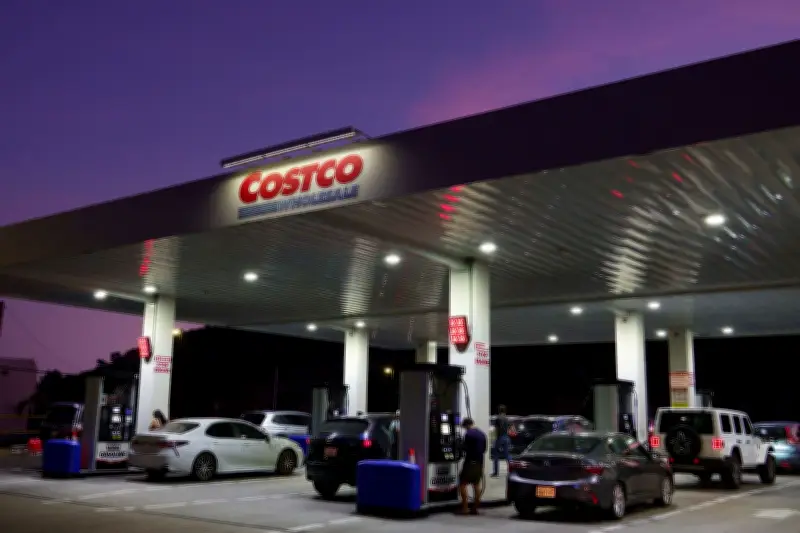
Costco has long been known for selling gasoline at prices significantly lower than traditional gas stations. But how does the warehouse club manage to offer such cheap fuel? The answer lies in a combination of membership fees, low profit margins, high volume sales, and operational efficiency.
Membership Fees as a Profit Driver
Unlike typical gas stations that rely on fuel sales for profit, Costco uses gas as a loss leader to attract customers. The real profit comes from membership fees. By offering cheap gas, Costco incentivizes drivers to become members and visit its warehouses, where they often purchase other high-margin items.
Low Margins, High Volume
Costco operates on a razor-thin profit margin of around 10-15% on gas, compared to the industry average of 20-25%. However, the company compensates with high volume. Costco gas stations are among the busiest in the country, serving thousands of cars daily. This high throughput allows Costco to negotiate better deals with suppliers and keep prices low.

Operational Efficiency
Costco's gas stations are designed for efficiency. They feature multiple pumps, streamlined payment systems, and minimal staffing. The company also uses its massive buying power to source fuel at lower costs. Additionally, Costco often builds its gas stations on land it already owns, reducing overhead expenses.
Limited Locations and Hours
Costco strategically places gas stations at its warehouse locations, typically in suburban areas with ample space. The stations operate during warehouse hours, which helps control costs. While this limits convenience, the lower prices attract a loyal customer base willing to plan their fill-ups.
Impact on the Market
Costco's low gas prices have forced competitors to adjust their strategies. Some gas stations have lowered prices, while others have introduced loyalty programs to retain customers. However, Costco's model remains unique due to its reliance on membership fees rather than fuel sales for profit.
In conclusion, Costco's ability to sell cheap gas stems from its innovative business model. By leveraging membership fees, high volume, and operational efficiency, the company offers a compelling value proposition that keeps customers coming back.