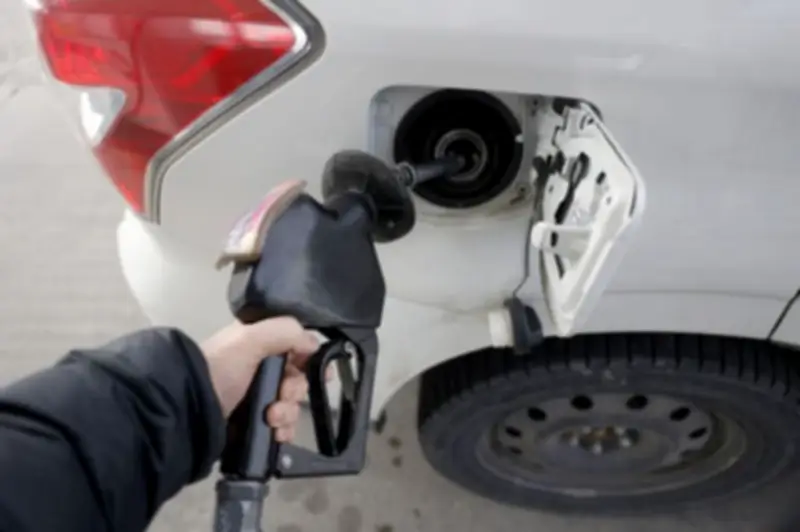
OTTAWA — The ongoing conflict to end Iranian terror will cost the average Canadian household $648 in extra fuel costs this year, a new report suggests.
Released earlier this week by the Financial Accountability Office of Ontario, the report indicates that provincial households are feeling the impact of the conflict, which is causing energy prices worldwide to skyrocket significantly.
Surge in Oil Prices
“Since Feb. 2026, the war in Iran has raised global oil prices significantly, with West Texas Intermediate (WTI) crude prices rising from an average of $65 US per barrel in February to $105 US per barrel in May, an increase of 62%,” reads an excerpt from the office’s quarterly Ontario Economic Monitor report, published Wednesday. “This has in turn sharply increased the price of gasoline and diesel in Ontario.”

Gasoline and Diesel Price Increases
From February to May, average gasoline prices in Ontario rose by 44%, or 58 cents per litre — increasing from $1.31 per litre to $1.88 per litre. During the same period, average diesel prices increased by 35%, from $1.55 per litre to $2.10 per litre.
Even if peace were declared today and oil shipments through the Strait of Hormuz resumed, oil prices are still expected to remain above pre-war levels, though they would drop by around $80 US per barrel.
Economic Impact on Households and Businesses
“Assuming fuel prices in Ontario follow the same price trajectory and the demand for gasoline and diesel remains stable, Ontario households, businesses, and the government and non-profit sectors would face an additional $8.5 billion in fuel costs,” the report stated. “Of this, an estimated $4.1 billion would be paid by households, $4.0 billion by businesses, and $0.4 billion by the government and non-profit sectors.”
In total, the average Ontario household can expect to pay $648 more in fuel costs this year. The report emphasizes that this figure does not include higher prices for all overall goods caused by shippers and retailers passing on extra fuel costs to consumers. “To the extent that businesses pass on higher fuel costs to consumers, the additional fuel-related costs would be higher for households,” the report noted.
These findings highlight the broader economic strain as fuel price surges ripple through the economy, affecting not only direct fuel purchases but also the cost of goods and services across the board.