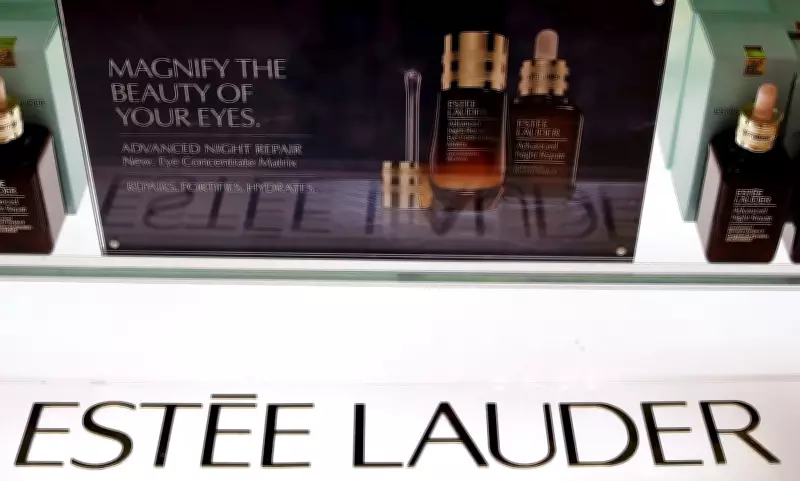
Estée Lauder has decided to exit negotiations with Spanish beauty and fashion group Puig, opting to conserve its financial resources for more selective mergers and acquisitions in the future. The decision, confirmed by sources familiar with the matter, marks a strategic shift for the American cosmetics giant as it navigates a competitive landscape.
Strategic Pivot
The New York-based company, known for brands such as Clinique, MAC, and Tom Ford Beauty, had been in discussions with Puig regarding a potential acquisition. However, after careful evaluation, Estée Lauder concluded that the deal did not align with its long-term growth objectives. Instead, the company will focus on smaller, targeted acquisitions that complement its existing portfolio and drive innovation.
Financial Discipline
By walking away from the Puig talks, Estée Lauder preserves significant cash reserves, which analysts estimate at over $4 billion. This financial firepower allows the company to pursue opportunities in high-growth segments such as skincare, fragrance, and digital beauty technologies. Industry observers note that Estée Lauder's disciplined approach reflects a broader trend among large beauty conglomerates to prioritize value over scale.

Market Reaction
Shares of Estée Lauder rose modestly following the announcement, as investors welcomed the company's prudent capital allocation. The stock has faced pressure in recent months due to slowing demand in Asia and rising competition from independent brands. Analysts at Jefferies described the move as 'sensible,' emphasizing that Estée Lauder's strong balance sheet positions it well for future acquisitions.
Puig's Alternatives
For Puig, which owns brands like Carolina Herrera, Paco Rabanne, and Jean Paul Gaultier, the collapse of talks means it must explore other avenues for growth. The family-owned company has been expanding aggressively through acquisitions, including the recent purchase of Charlotte Tilbury. Without Estée Lauder, Puig may now consider an initial public offering or partnership with another strategic buyer.
Industry Context
The beauty industry has seen a wave of consolidation as companies seek to capture market share in an increasingly fragmented market. L'Oreal, Unilever, and Shiseido have all made notable acquisitions in recent years. Estée Lauder's decision to remain selective underscores its commitment to maintaining premium brand positioning and avoiding overpaying for assets.
In a statement, Estée Lauder said it 'continuously evaluates opportunities that enhance shareholder value' and remains focused on 'disciplined growth.' The company is expected to announce new investments in digital marketing and sustainable packaging initiatives in the coming months.