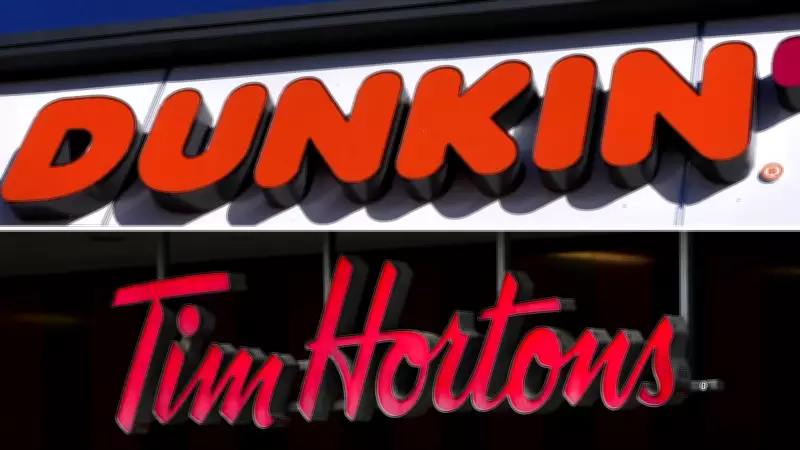
Dunkin' Donuts is making a highly anticipated return to Canada, setting the stage for a fierce battle with the country's dominant coffee chain, Tim Hortons. The American brand, known for its coffee and baked goods, aims to capture market share through a combination of strategic pricing, menu innovation, and aggressive store openings.
Strategic Comeback
After exiting the Canadian market years ago, Dunkin' is now preparing to re-enter with a refined approach. The company plans to focus on urban centers and high-traffic locations, leveraging its strong brand recognition and loyal customer base. Executives believe that Canadians are ready for more variety in the coffee and quick-service restaurant sector.
Menu Innovation
Dunkin' intends to differentiate itself by introducing new products tailored to Canadian tastes, including seasonal offerings and healthier options. The chain will also emphasize its beverage lineup, such as cold brew and specialty lattes, to appeal to younger demographics.

Competitive Pricing
Pricing will be a key factor in the battle against Tim Hortons. Dunkin' plans to offer competitive prices without compromising quality, aiming to attract budget-conscious consumers. Promotional deals and loyalty programs will be rolled out to build a customer base quickly.
Impact on the Market
The return of Dunkin' is expected to shake up the Canadian coffee shop landscape. Tim Hortons has long held a dominant position, but recent shifts in consumer preferences toward premium and diverse offerings could create opportunities for new entrants. Industry analysts predict that Dunkin's arrival will spur innovation and potentially lower prices across the sector.
Other chains, such as Starbucks and McDonald's, may also feel the pressure as Dunkin' targets their customer segments. The competition is likely to benefit consumers through more choices and better value.
Expansion Plans
Dunkin' has announced an ambitious expansion roadmap, with dozens of new locations planned in major cities like Toronto, Vancouver, and Montreal. The company is partnering with local franchisees to ensure operational expertise and cultural relevance. A multi-year rollout will begin with company-owned stores before expanding to franchises.
The brand is also investing in digital ordering and delivery capabilities to meet evolving consumer habits. Mobile app features and loyalty rewards will be integral to the strategy.
Challenges Ahead
Despite the optimism, Dunkin' faces significant challenges. Tim Hortons enjoys deep-rooted loyalty among Canadians and a vast network of locations. Dunkin' will need to invest heavily in marketing to build awareness and trial. Additionally, supply chain and real estate costs in Canada's competitive markets could pose hurdles.
Nevertheless, Dunkin' executives are confident that their brand's heritage and quality will resonate with Canadian consumers. The company's previous experience in the market provides valuable lessons for a successful relaunch.
Consumer Reactions
Early reactions from Canadian consumers have been mixed. Some express excitement about having more options, while others remain loyal to Tim Hortons. Social media buzz indicates that Dunkin' will need to prove itself through consistent quality and service.
As the launch date approaches, all eyes will be on how Dunkin' executes its plans and whether it can carve out a sustainable niche in Canada's competitive coffee culture.