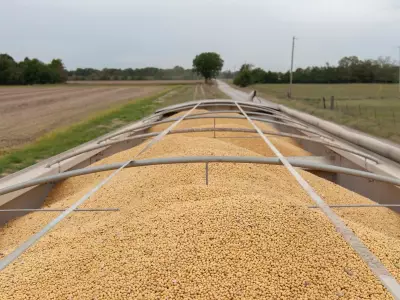
Deere & Co. shares fell as farm machinery sales remained sluggish in North America, raising questions about the agriculture economy. The world's biggest farm machinery maker kept its profit outlook unchanged as it reported fiscal second-quarter results. More uncertainty lies ahead for crop farmers, who have been under pressure for years with prices not keeping pace with elevated costs. Spending on new tractors, combine harvesters and other implements remains limited as the war in Iran sends costs for fuel and fertilizer even higher.
Impact of Higher Costs on Farmers
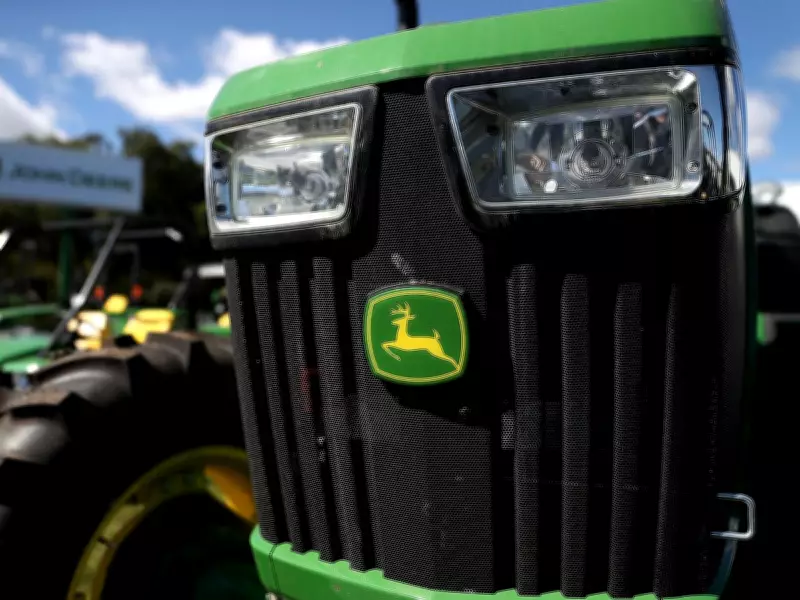
Higher fuel and fertilizer costs due to the Iran war have curbed spending by farmers, leading to sluggish sales for Deere. The company's iconic green and yellow tractors saw reduced demand in North America. Deere posted fiscal-second quarter earnings that topped expectations, boosted by construction and forestry segments, as well as tariff refund claims of US$272 million. However, shares were down as much as 4.4% in New York Thursday, to the lowest level since February.
Uncertainty in the Farm Economy
Deere in the previous quarter said 2026 would mark the bottom of the down cycle for the U.S. farm economy, sending its shares soaring the most in six years. Yet the impacts from the conflict in the Middle East could change the trajectory of the recovery. Oppenheimer analyst Kristen Owen pointed to a complex backdrop for farmers, with crosswinds of modestly improved commodities prices against higher energy and fertilizer prices.

Sales Decline in Key Segments
Net sales in Deere's top segment of production and precision agriculture fell 14% in the second quarter. Shipment volumes declined in production agriculture while higher production costs also pressured profit in the farming segment. For the year, Deere still sees sales down 15% to 20% in the United States and Canada. However, the annual outlook for South America worsened, with sales seen down 15%, compared with expectations for a drop of only five% when Deere reported first-quarter earnings.
Construction and Forestry Growth
The boom in AI is creating more demand for construction machinery. Deere reported second-quarter sales in construction and forestry that were 29% higher than a year ago. Small agriculture and turf climbed 16%. For agriculture, last week's U.S.-China summit holds the possibility of improved crop demand, with the White House estimating the Asian country will buy US$17 billion in American farm goods annually, beyond an initial commitment for soybeans.
Financial Outlook
Deere estimated annual net income between US$4.5 billion and US$5 billion, steady with an outlook in February. Bloomberg estimated net income at an average of US$4.79 billion. Meanwhile, net income for Deere's fiscal second quarter came in at US$1.77 billion, above an estimate for US$1.54 billion.