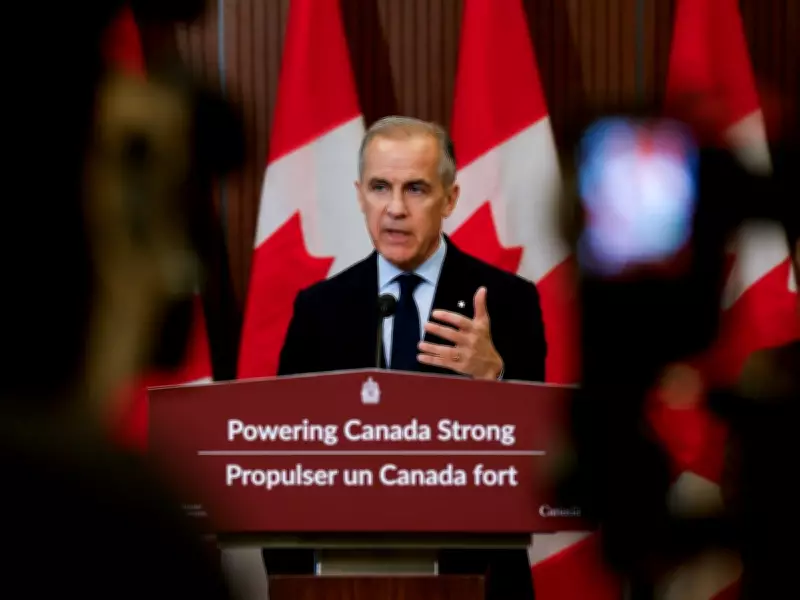
The Canadian Chamber of Commerce is urging the Carney government to move past the fight against U.S. President Donald Trump's trade threats and instead focus on boosting Canada's competitiveness. In a pre-budget submission to the House of Commons finance committee, the influential business group called for urgent action to cut excessive red tape, reduce permitting delays, strengthen domestic capital markets, dismantle interprovincial trade barriers, and slash taxes. These measures, the chamber argues, are essential for Canadian companies to compete effectively with their U.S. and global counterparts.
A New Focus for 2026
The chamber's submission states: 'If the theme for 2025 was strengthening Canada's resilience in the face of external trade threats, then our collective focus for 2026 must be on fostering Canadian competitiveness.' David Pierce, the chamber's vice-president of government relations, emphasized that the Canadian economy needs more than marginal adjustments. 'I think a big swing is needed,' he said.
The submission, obtained by the National Post, was delivered to the parliamentary finance committee on Tuesday but has not yet been posted publicly or sent to Finance Minister François-Philippe Champagne. It is the second pre-budget submission this week from a major business group urging the Liberal government to aggressively improve competitiveness and economic growth.

Small Business Concerns
The Canadian Federation of Independent Business (CFIB), representing over 100,000 independent and small businesses, also released its submission. It warned that Canada is facing an 'entrepreneurial drought,' with more businesses closing than launching over the past four quarters, despite population growth. The CFIB's policy wish list includes a cut to the small business income tax rate, incentives for capital investments, and measures to make hiring more attractive.
Key Recommendations
The Chamber of Commerce told the committee that Canada cannot compete internationally with a tax and regulatory regime perceived as slow, cumbersome, and unfriendly to investment. Specific recommendations include:
- Reviewing income tax policy to ensure Canadian business taxes are on a level playing field with the U.S.
- Streamlining and digitizing processes to reduce the regulatory burden on businesses.
- Expanding eligibility for the clean technology manufacturing investment tax credit.
- Establishing an independent Canadian Resources Advisory Council to support responsible development of the energy industry.
- Amending the labour code to add more resolution tools to prevent supply chain disruptions.
- Attaching conditions to major federal transfers to encourage provinces and territories to eliminate costly internal trade and labour mobility barriers.
The chamber's call for a 'big swing' reflects growing concern among business leaders that incremental changes are insufficient to address Canada's competitiveness challenges. The Carney government is expected to consider these proposals as it prepares the federal budget.