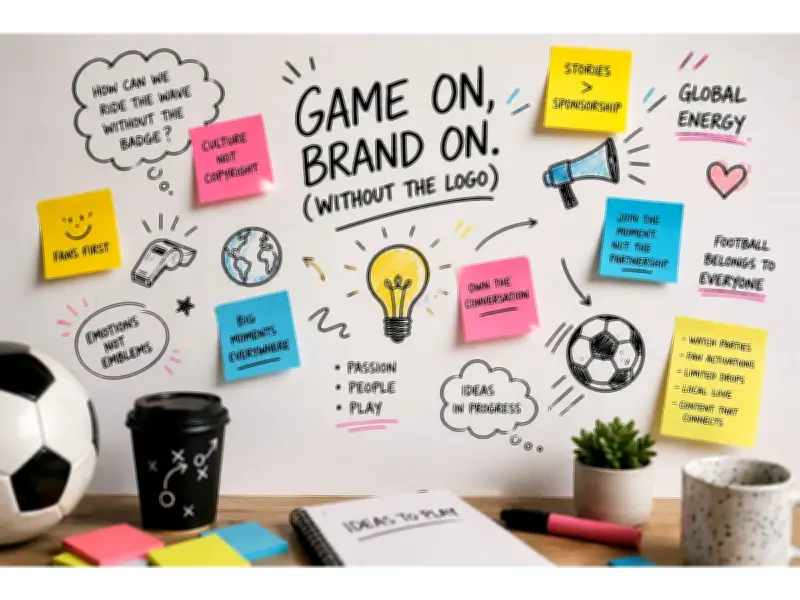
As anticipation builds for the 2026 FIFA World Cup, brands are preparing to tap into one of the largest global marketing moments of the decade. However, strict FIFA licensing rules mean only official partners can legally use tournament marks, logos, and certain phrases, leaving thousands of brands searching for alternative ways to join the conversation.
Challenge and Opportunity for Promotional Products
For the promotional products industry, this creates both a challenge and an opportunity. Demand for football-themed merchandise is set to surge, yet without official licensing, even well-intentioned campaigns risk crossing into infringement. The result is a new wave of “unofficial” promotional products—items that capture the spirit of the tournament without directly referencing it. In many cases, these limitations are fueling innovation, pushing companies toward merchandise that resonates more authentically while staying within legal boundaries.
From Visibility to Relevance
For non-sponsors, the goal is no longer maximum visibility, but maximum relevance. Rather than mass-producing generic football merchandise, brands are investing in smaller, targeted runs tied to match days, host cities, or culturally resonant slogans, creating exclusivity that official merchandise often lacks.

The Rise of Safe Creativity
Navigating FIFA’s legal framework demands a clear understanding of what is permissible. Words like “World Cup” and “FIFA” are tightly controlled, so brands are developing campaigns built around indirect references—phrases like “the global game” or “summer of football”—paired with visual storytelling that evokes stadium energy without replicating protected imagery. Legal teams now work alongside creative departments from the start, rather than reviewing at the final stage.
Influencers as the New Broadcasters
While traditional advertising around the tournament is dominated by official sponsors, social media remains a more open playing field. Brands are seeding products with carefully selected creators whose audiences align with their target market, generating content that feels organic rather than promotional—and provides a layer of separation from direct tournament references.
Lucas Theodoulou, Sales Director for North America at Everything Branded, commented: “Major events like the World Cup can be challenging for brands without access to licensed logos or branding. We encourage businesses to focus on the experience first, bringing in the fun factor and creating authentic and organic social engagement opportunities, and ultimately connect your brand to what will be a fun summer of sport.”
This approach allows brands to engage with the World Cup fever while respecting intellectual property laws, turning a legal limitation into a creative advantage.