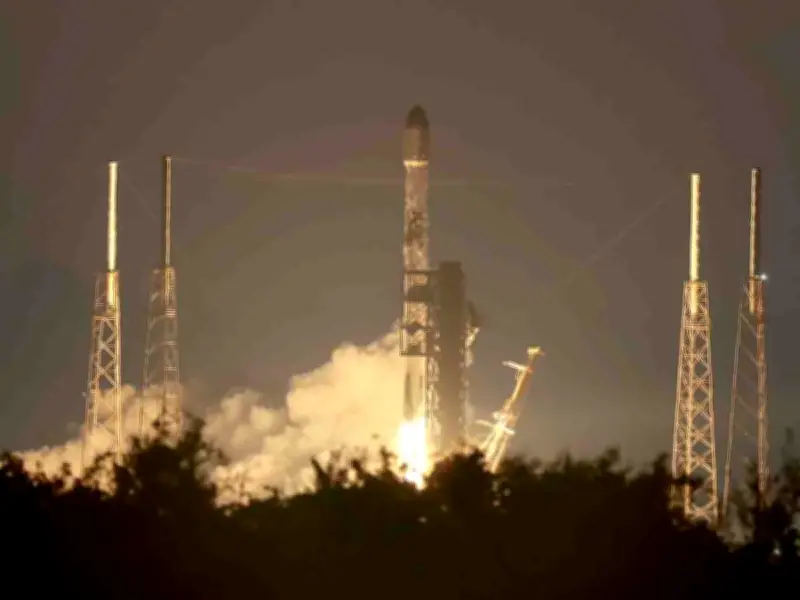
The week of the largest IPO in history may seem like an odd time to wonder if we need more, rather than less, investment into the United States and global economies. Many investors believe the SpaceX IPO, with a target valuation of US$1.78 trillion, could signal a top to the technology-driven market bubble of the past several years. Markets will always blow off steam at some point. But if we also consider that we are at a moment at which not only AI, but other sectors like energy, defence and manufacturing are growing in many parts of the world and require greater capital infusions, we should ask — are we at the beginning, rather than the end, of a new investment super-cycle?
To pose this question you don’t have to definitively answer things that can’t be known yet — such as whether China or the U.S. will win the AI war, or how the Iran conflict will end, or even what the post-Washington Consensus world will look like, not to mention the many short-term issues around interest rates or inflation or the latest jobs numbers. You simply have to believe that AI will be a transformative technology, that it will require more energy to scale, that a clean-energy revolution is upon us driven by China, and that nearly every industry will have to spend on upgrades to processes, infrastructure and human capital in order to metabolize these changes. If you agree with all this, it is relatively easy to start making an argument for a new super-cycle.
Global Spending Trends
In a recent issue of his TPW Advisory Monthly report, investor Jay Pelosky collated data on AI, clean energy and defence spending around the world from sources including Gartner, BloombergNEF, the Stockholm International Peace Research Institute and the International Institute for Strategic Studies. So far, US$6.9 trillion was spent globally in 2025 in the three areas, and the number will probably reach US$10 trillion by the end of this year and US$16 trillion by 2030.

Reinforcing Sectors
What’s more, says Pelosky, these three areas reinforce one another, amplifying potential investment. AI requires more energy. The move towards tech sovereignty in the U.S., China and even Europe adds to the need for investment in AI and energy, while the move towards a more 19th-century “spheres of influence” geopolitics calls for greater defence spending globally. Add to this the desire of policymakers in all three regions to increase resilience in critical sectors affected by concentration or globally dispersed supply chains: products such as advanced semiconductors, active pharmaceuticals and lithium batteries, for example.
Manufacturing Upgrades
According to the McKinsey Global Institute, which published a recent paper on the topic, 25 per cent of manufactured goods imports in the U.S. have two or three such vulnerabilities. To produce these and other highly trade-exposed goods entirely in the U.S., it would take another US$2 trillion in upgraded factories, facilities and infrastructure. That may or may not happen, but it’s a good bet that perhaps half of that investment could pour into U.S. manufacturing, with some upgrading in Europe also quite likely.