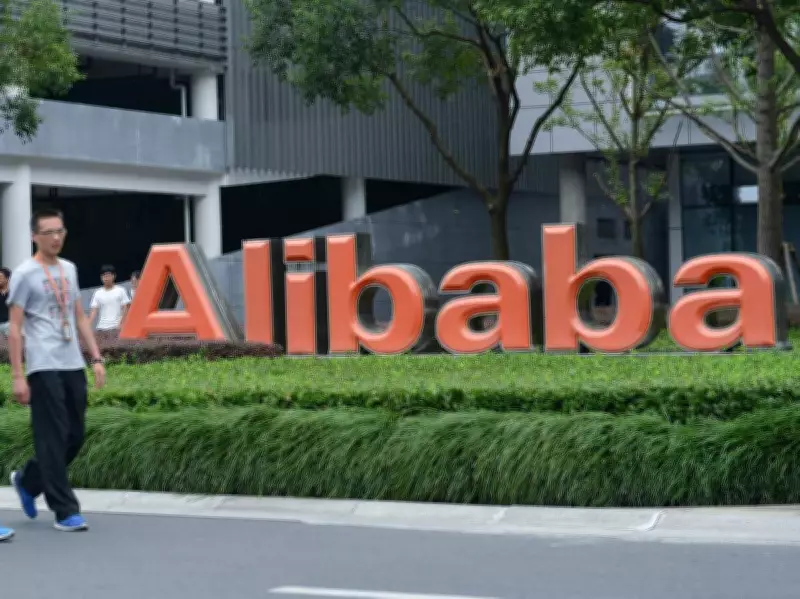
China's twin leaders in artificial intelligence, Alibaba Group Holding Ltd. and Tencent Holdings Ltd., reported quarterly revenue that fell short of analysts' estimates, disappointing investors who had hoped their growing spending on AI would accelerate growth.
Alibaba's First Operating Loss Since 2021
Alibaba posted its first operating loss since the depths of the COVID pandemic in early 2021, underscoring the extent to which China's e-commerce leader is funneling cash into AI initiatives. Revenue during the March quarter grew a less-than-projected three percent, while operating expenses surged due to investments in data centers, research, and talent.
Executives from both companies sought to assure investors that their AI endeavors would soon yield returns. Alibaba CEO Eddie Wu stated that the company is prioritizing AI development over short-term profits, meaning it is likely to spend "far, far" more than its previous target of 380 billion yuan (US$56 billion) over three years.

Tencent's Slowest Revenue Growth in Over a Year
Tencent reported its slowest pace of revenue growth in over a year, though it outpaced its arch-rival thanks to a resilient advertising and gaming business. The company is also investing heavily in AI but faces competition from lower-cost rivals such as Moonshot and MiniMax.
Alibaba's shares slid as much as three percent in U.S. trading Wednesday, adding to an eight percent decline since the start of 2026. Tencent's stock also dipped following the earnings release.
Monetization Efforts Underway
Alibaba this year broadcast its intention to begin monetizing AI across a range of initiatives, from its cloud service to AI agents and enterprise software. The company raised prices for its AI and cloud services, pivoted to focus on proprietary models, and restructured its teams to better profit from its AI capabilities.
As part of these efforts, Wu helped set up and lead a new business group—Alibaba Token Hub—to streamline operations by consolidating research, consumer, and enterprise products under one umbrella. The company now offers an AI app integrated with shopping, navigation, and payment tools, as well as an agentic tool called WuKong targeting enterprise clients.
Annual recurring revenue from AI models and services is expected to hit 10 billion yuan in June and surpass 30 billion yuan by year-end, according to Wu. He also reiterated the goal of quintupling cloud and AI revenue to US$100 billion annually within five years.
Cloud Services Growth
Executives stressed that Alibaba's cloud services business, one of China's largest, is performing well. The company has connected its Qwen AI app to its Taobao platform to drive e-commerce growth and raised cloud service prices earlier this year, including hiking the cost of AI computing and storage products by as much as 34 percent.
Despite the near-term disappointment, both Alibaba and Tencent remain optimistic about the long-term potential of AI to transform their businesses and generate substantial returns for investors.